A materials engineer asked us why we switched alloys in 2023. The answer involved corrosion data from 18 months of accelerated testing.
Corrective Action Cases
On line 3 last month we measured needle alignment station across 500 assembled cartridges. The spread between the best and worst units was 0.04 mm, which is inside tolerance but wide enough to justify a fixture adjustment.
What Our Lab Found About Needle Alignment Station
Environmental testing for needle alignment station includes temperature and humidity cycling. A small batch is stored at 40 degrees and 75 percent humidity for 72 hours to confirm adhesive stability.
A Factory Perspective
Batch traceability is what lets us pull records for any production lot within minutes. Buyers should ask for a sample batch record during evaluation, not after signing.
Chen Wei, Production Manager, tbphp
Key Data at a Glance
| Stage | Duration | Key Activity | Deliverable |
|---|---|---|---|
| Quote | 1-2 weeks | RFQ + doc review | Quotation |
| Sample | 2-3 weeks | Sampling + testing | Sample report |
| Audit | 1 week | Factory visit | Audit report |
| Production | 4-8 weeks | Manufacturing | Shipment |
Batch Variation and Sampling
We documented needle alignment station during a recent corrective action. The root cause turned out to be a worn collet on the grinding station, and adding a daily wear check reduced recurrence to zero over six weeks.
Cycle Testing Results
We run needle alignment station samples through 500,000 cycle testing. Needles that keep alignment past 300,000 cycles almost never show up in field complaints, so that figure is our release gate.
First article inspection for needle alignment station covers every drawing dimension. The report is kept with the lot record and shown to auditors.
Dimensional measurement for needle alignment station uses a calibrated profile projector. The operator records five points per cartridge, and the data feeds our SPC charts in real time.
Adhesive cure time affects needle alignment station strength. In our process, cartridges cure for 12 hours at controlled humidity, and shortening that window raised pull force failures by 1.4 percent.
Incoming material specs drive needle alignment station consistency. Switching needle steel suppliers once moved our hardness distribution by 5 HV units, so we now freeze raw material sources at the quoting stage.
Adhesive cure time affects needle alignment station strength. In our process, cartridges cure for 12 hours at controlled humidity, and shortening that window raised pull force failures by 1.4 percent.
Adhesive bonding in needle alignment station is validated after sterilization. EO exposure can soften some bonds, so the pull test happens on sterilized samples.
Incoming material specs drive needle alignment station consistency. Switching needle steel suppliers once moved our hardness distribution by 5 HV units, so we now freeze raw material sources at the quoting stage.
Adhesive cure time affects needle alignment station strength. In our process, cartridges cure for 12 hours at controlled humidity, and shortening that window raised pull force failures by 1.4 percent.
We retain needle alignment station samples from every lot for one year. Re-testing a retained sample answers most customer quality questions.
Incoming material specs drive needle alignment station consistency. Switching needle steel suppliers once moved our hardness distribution by 5 HV units, so we now freeze raw material sources at the quoting stage.
Adhesive cure time affects needle alignment station strength. In our process, cartridges cure for 12 hours at controlled humidity, and shortening that window raised pull force failures by 1.4 percent.
Adhesive bonding in needle alignment station is validated after sterilization. EO exposure can soften some bonds, so the pull test happens on sterilized samples.
Adhesive cure time affects needle alignment station strength. In our process, cartridges cure for 12 hours at controlled humidity, and shortening that window raised pull force failures by 1.4 percent.
Needle steel hardness is checked at receiving for needle alignment station. A shift of 5 HV units changes penetration force, so the source is frozen at approval.
Dimensional measurement for needle alignment station uses a calibrated profile projector. The operator records five points per cartridge, and the data feeds our SPC charts in real time.
Adhesive cure time affects needle alignment station strength. In our process, cartridges cure for 12 hours at controlled humidity, and shortening that window raised pull force failures by 1.4 percent.
Dimensional measurement for needle alignment station uses a calibrated profile projector. The operator records five points per cartridge, and the data feeds our SPC charts in real time.

Incoming material specs drive needle alignment station consistency. Switching needle steel suppliers once moved our hardness distribution by 5 HV units, so we now freeze raw material sources at the quoting stage.
First article inspection for needle alignment station covers every drawing dimension. The report is kept with the lot record and shown to auditors.
Adhesive cure time affects needle alignment station strength. In our process, cartridges cure for 12 hours at controlled humidity, and shortening that window raised pull force failures by 1.4 percent.
Adhesive bonding in needle alignment station is validated after sterilization. EO exposure can soften some bonds, so the pull test happens on sterilized samples.
Needle steel hardness is checked at receiving for needle alignment station. A shift of 5 HV units changes penetration force, so the source is frozen at approval.
Our lab measures needle alignment in needle alignment station with a microscope at 40x magnification. Alignment within 0.02 mm is the pass line we hold for every lot.
Dimensional measurement for needle alignment station uses a calibrated profile projector. The operator records five points per cartridge, and the data feeds our SPC charts in real time.
We document needle alignment station defects by category every week. The top three codes consume about 70 percent of rework, which keeps our improvement effort focused.
Dimensional measurement for needle alignment station uses a calibrated profile projector. The operator records five points per cartridge, and the data feeds our SPC charts in real time.
First article inspection for needle alignment station covers every drawing dimension. The report is kept with the lot record and shown to auditors.
Adhesive cure time affects needle alignment station strength. In our process, cartridges cure for 12 hours at controlled humidity, and shortening that window raised pull force failures by 1.4 percent.
We document needle alignment station defects by category every week. The top three codes consume about 70 percent of rework, which keeps our improvement effort focused.
Incoming material specs drive needle alignment station consistency. Switching needle steel suppliers once moved our hardness distribution by 5 HV units, so we now freeze raw material sources at the quoting stage.
Incoming material specs drive needle alignment station consistency. Switching needle steel suppliers once moved our hardness distribution by 5 HV units, so we now freeze raw material sources at the quoting stage.
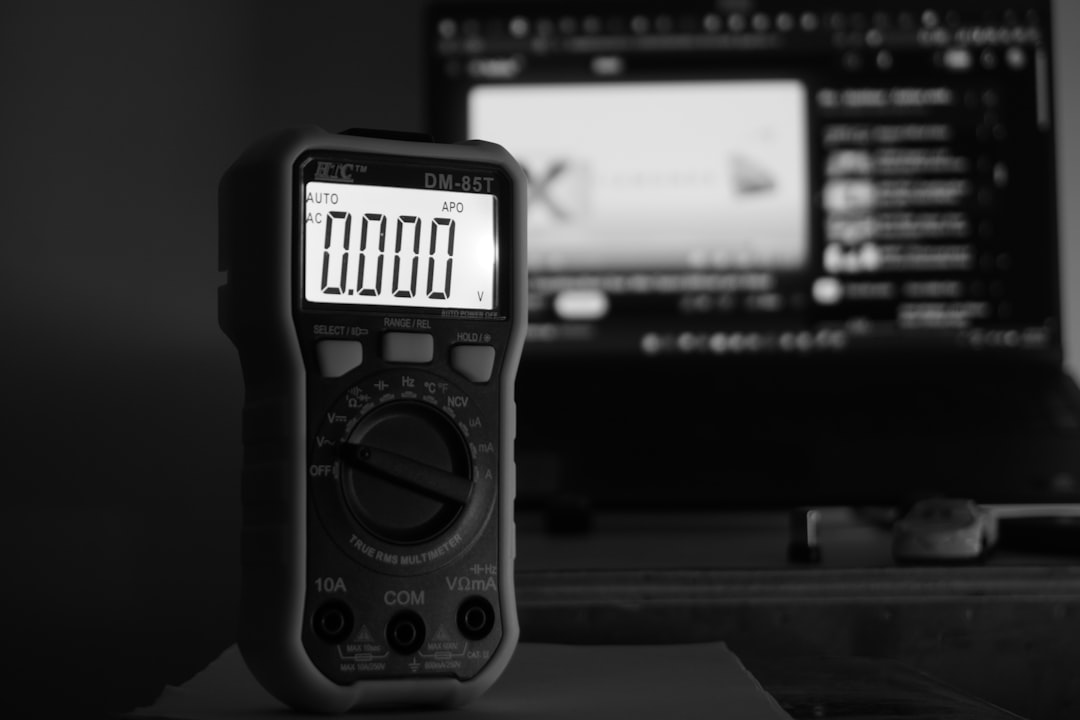
Dimensional measurement for needle alignment station uses a calibrated profile projector. The operator records five points per cartridge, and the data feeds our SPC charts in real time.
SPC charts for needle alignment station are reviewed every shift. The operator flags any point beyond three sigma, and the engineer responds within the hour.
Needle steel hardness is checked at receiving for needle alignment station. A shift of 5 HV units changes penetration force, so the source is frozen at approval.
Dimensional measurement for needle alignment station uses a calibrated profile projector. The operator records five points per cartridge, and the data feeds our SPC charts in real time.
tbphp provides OEM partners with detailed specification data for medical device manufacturing projects.
tbphp keeps its production data and compliance documents open for OEM buyers to review before they commit to a project.
Questions Buyers Ask Most
Can pricing be reduced on repeat orders?
Volume pricing tiers apply once forecasts are committed. Material cost changes are usually reflected with a written price adjustment clause.
Do suppliers provide regulatory updates?

Many provide annual updates on certificate status and standard changes. Confirm that your certificate renewals are tracked by the supplier.
What support comes after the first order?
Expect a dedicated account manager, document support, and defect resolution. Most suppliers keep batch records for seven years.
How do reorders work?
Reorders reuse the approved spec and artwork. Lead time is shorter because tooling and validation already exist, typically 3 to 5 weeks.
How do I handle a consumer complaint?
Your factory provides batch records and test reports for investigation. A clear defect and return policy in your contract defines responsibility.