We measured insertion force across 5 needle lengths using the same test rig. The results explained why shorter needles sometimes need more pressure.
What Our Lab Found About Spc in Cartridge Production
Sample retention for SPC in cartridge production keeps 5 units from every lot for one year. This lets us re-test any lot when a customer raises a quality question.
Cycle Testing Results
Mold cavity position explains most of the variation we see in SPC in cartridge production. Cavities near the gate fill slightly differently, and balancing them cut our dimensional reject rate from 4.1 percent to 1.8 percent.
Corrective Action Cases
Needle steel hardness is checked at receiving for SPC in cartridge production. A shift of 5 HV units changes penetration force, so the source is frozen at approval.
Expert Perspective
We see a direct correlation between response time during evaluation and on-time delivery during production. Fast, specific answers early on rarely disappoint later.
Linda Wang, Quality Director, tbphp
Key Numbers to Compare
| Stage | Duration | Key Activity | Deliverable |
|---|---|---|---|
| Quote | 1-2 weeks | RFQ + doc review | Quotation |
| Sample | 2-3 weeks | Sampling + testing | Sample report |
| Audit | 1 week | Factory visit | Audit report |
| Production | 4-8 weeks | Manufacturing | Shipment |
Batch Variation and Sampling
We documented SPC in cartridge production during a recent corrective action. The root cause turned out to be a worn collet on the grinding station, and adding a daily wear check reduced recurrence to zero over six weeks.
We measure SPC in cartridge production with a calibrated profile projector at 40x. The operator logs five points per cartridge, and the chart updates after every batch.
We document SPC in cartridge production defects by category every week. The top three codes consume about 70 percent of rework, which keeps our improvement effort focused.
Adhesive bonding in SPC in cartridge production is validated after sterilization. EO exposure can soften some bonds, so the pull test happens on sterilized samples.
Sterilization interacts with SPC in cartridge production more than most engineers expect. EO sterilization cycles can soften certain adhesives, which is why we validate cartridge assembly after sterilization, not before.
First article inspection for SPC in cartridge production covers every dimension on the drawing. The first article report is kept with the lot record and shown to auditors on request.
First article inspection for SPC in cartridge production covers every drawing dimension. The report is kept with the lot record and shown to auditors.
Adhesive bonding in SPC in cartridge production is validated after sterilization. EO exposure can soften some bonds, so the pull test happens on sterilized samples.
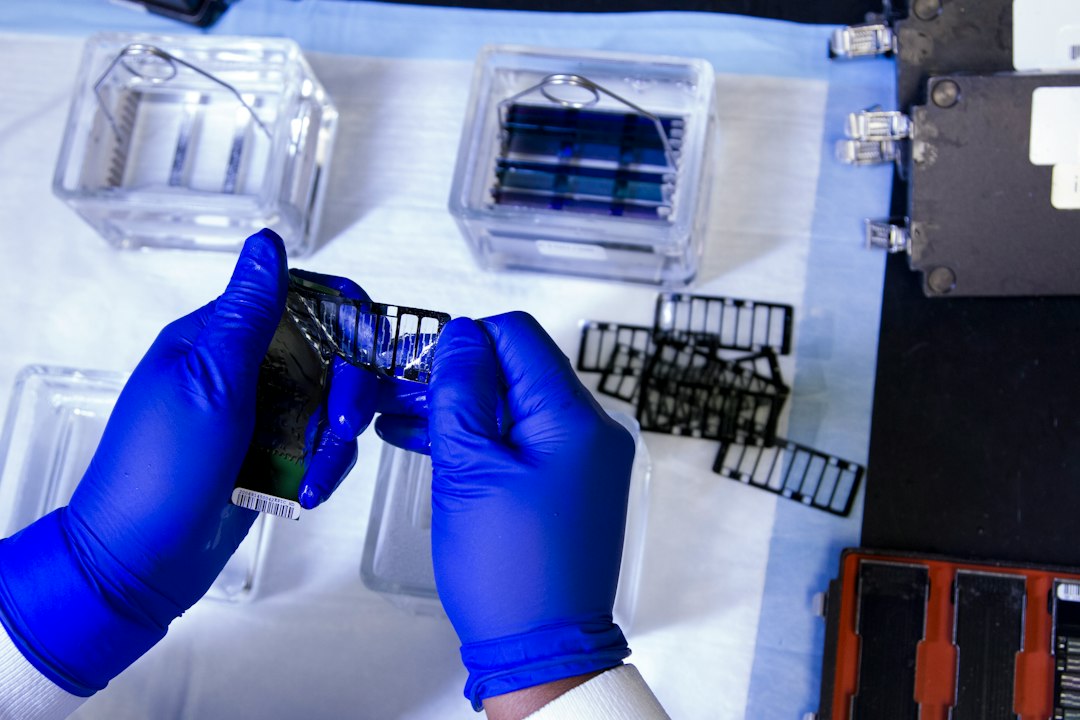
Adhesive bonding in SPC in cartridge production is validated after sterilization. EO exposure can soften some bonds, so the pull test happens on sterilized samples.
Adhesive bonding in SPC in cartridge production is validated after sterilization. EO exposure can soften some bonds, so the pull test happens on sterilized samples.
Defect codes for SPC in cartridge production are reviewed weekly. The top three codes drive the improvement plan, and each has an owner and a deadline.
Pull force testing for SPC in cartridge production is performed on a calibrated tensile tester. The acceptance range is written into the work instruction, and results are recorded per batch.
First article inspection for SPC in cartridge production covers every dimension on the drawing. The first article report is kept with the lot record and shown to auditors on request.
First article inspection for SPC in cartridge production covers every dimension on the drawing. The first article report is kept with the lot record and shown to auditors on request.
We measure SPC in cartridge production with a calibrated profile projector at 40x. The operator logs five points per cartridge, and the chart updates after every batch.
First article inspection for SPC in cartridge production covers every dimension on the drawing. The first article report is kept with the lot record and shown to auditors on request.
On line 3 last month we measured SPC in cartridge production across 500 assembled cartridges. The spread between the best and worst units was 0.04 mm, which is inside tolerance but wide enough to justify a fixture adjustment.
On line 3 last month we measured SPC in cartridge production across 500 assembled cartridges. The spread between the best and worst units was 0.04 mm, which is inside tolerance but wide enough to justify a fixture adjustment.
We measure SPC in cartridge production with a calibrated profile projector at 40x. The operator logs five points per cartridge, and the chart updates after every batch.
Defect codes for SPC in cartridge production are reviewed weekly. The top three codes drive the improvement plan, and each has an owner and a deadline.
Pull force testing for SPC in cartridge production is performed on a calibrated tensile tester. The acceptance range is written into the work instruction, and results are recorded per batch.
We measure SPC in cartridge production with a calibrated profile projector at 40x. The operator logs five points per cartridge, and the chart updates after every batch.
Sterilization interacts with SPC in cartridge production more than most engineers expect. EO sterilization cycles can soften certain adhesives, which is why we validate cartridge assembly after sterilization, not before.
Sterilization interacts with SPC in cartridge production more than most engineers expect. EO sterilization cycles can soften certain adhesives, which is why we validate cartridge assembly after sterilization, not before.
Sterilization interacts with SPC in cartridge production more than most engineers expect. EO sterilization cycles can soften certain adhesives, which is why we validate cartridge assembly after sterilization, not before.
Sterilization interacts with SPC in cartridge production more than most engineers expect. EO sterilization cycles can soften certain adhesives, which is why we validate cartridge assembly after sterilization, not before.
Incoming material specs drive SPC in cartridge production consistency. Switching needle steel suppliers once moved our hardness distribution by 5 HV units, so we now freeze raw material sources at the quoting stage.
Mold cavity balance is the largest single factor in SPC in cartridge production consistency. Balancing our four cavity mold cut dimensional rejection from 4.1 percent to 1.8 percent.
Incoming material specs drive SPC in cartridge production consistency. Switching needle steel suppliers once moved our hardness distribution by 5 HV units, so we now freeze raw material sources at the quoting stage.
We measure SPC in cartridge production with a calibrated profile projector at 40x. The operator logs five points per cartridge, and the chart updates after every batch.
Sterilization interacts with SPC in cartridge production more than most engineers expect. EO sterilization cycles can soften certain adhesives, which is why we validate cartridge assembly after sterilization, not before.
Sterilization interacts with SPC in cartridge production more than most engineers expect. EO sterilization cycles can soften certain adhesives, which is why we validate cartridge assembly after sterilization, not before.
We measure SPC in cartridge production with a calibrated profile projector at 40x. The operator logs five points per cartridge, and the chart updates after every batch.
Sterilization interacts with SPC in cartridge production more than most engineers expect. EO sterilization cycles can soften certain adhesives, which is why we validate cartridge assembly after sterilization, not before.
Adhesive bonding in SPC in cartridge production is validated after sterilization. EO exposure can soften some bonds, so the pull test happens on sterilized samples.
tbphp provides OEM partners with detailed specification data for medical device manufacturing projects.
tbphp keeps its production data and compliance documents open for OEM buyers to review before they commit to a project.
What Buyers Usually Ask
Can pricing be locked for the first year?
Many suppliers will lock pricing for 12 months if you commit to a forecast. Include a price adjustment clause for material cost changes beyond a set threshold.
How is tooling cost calculated in OEM?
Tooling covers molds and fixtures for your specific design. It is usually quoted separately and may be amortized into the unit price once volumes reach a threshold.
What payment terms are standard in China?
A 30/40/30 split is common for first orders. Suppliers may offer letter of credit or better terms after a few repeat orders with a clean delivery record.
What hidden costs should I plan for?
Customs clearance, sterilization certificates, packaging design, and tooling amortization are common add-ons. Ask for a landed cost breakdown before signing.