I sat down with a client last month who was evaluating three suppliers for a custom project. Two weeks in, two had already failed basic documentation review. Based on data from 50+ evaluations, here is what separates reliable suppliers from the rest.
Key Numbers to Compare
| Stage | Duration | Key Activity | Deliverable |
|---|---|---|---|
| Quote | 1-2 weeks | RFQ + doc review | Quotation |
| Sample | 2-3 weeks | Sampling + testing | Sample report |
| Audit | 1 week | Factory visit | Audit report |
| Production | 4-8 weeks | Manufacturing | Shipment |
Corrective Action Cases
Needle steel hardness is checked at receiving for microneedle assembly process. A shift of 5 HV units changes penetration force, so the source is frozen at approval.
Batch Variation and Sampling
We run microneedle assembly process through 500,000 cycle testing. Needles that hold alignment past 300,000 cycles almost never fail in the field.
Notes From the Production Floor
Ask suppliers which certification body issued their certificates and when the last audit took place. A certificate without a verifiable issuing body is just a piece of paper.
Zhang Min, Regulatory Affairs Lead, tbphp
What Our Lab Found About Microneedle Assembly Process
Mold temperature control stabilizes microneedle assembly process. We hold the mold at a fixed temperature and log it hourly, which reduced dimensional drift noticeably.
Cycle Testing Results
Adhesive cure time affects microneedle assembly process strength. In our process, cartridges cure for 12 hours at controlled humidity, and shortening that window raised pull force failures by 1.4 percent.
Operator training for microneedle assembly process stations includes a written qualification exam. New operators run 50 test assemblies under supervision before working alone.
We document microneedle assembly process defects by category every week. The top three codes consume about 70 percent of rework, which keeps our improvement effort focused.
SPC charts for microneedle assembly process are reviewed every shift. The operator flags any point beyond three sigma, and the engineer responds within the hour.
Pull force testing for microneedle assembly process is performed on a calibrated tensile tester. The acceptance range is written into the work instruction, and results are recorded per batch.
Color and finish checks for microneedle assembly process compare samples against a master. The master is stored in a sealed bag and re-qualified every six months.
SPC charts for microneedle assembly process are reviewed every shift. The operator flags any point beyond three sigma, and the engineer responds within the hour.
Environmental testing for microneedle assembly process includes temperature and humidity cycling. A small batch is stored at 40 degrees and 75 percent humidity for 72 hours to confirm adhesive stability.
Environmental testing for microneedle assembly process includes temperature and humidity cycling. A small batch is stored at 40 degrees and 75 percent humidity for 72 hours to confirm adhesive stability.
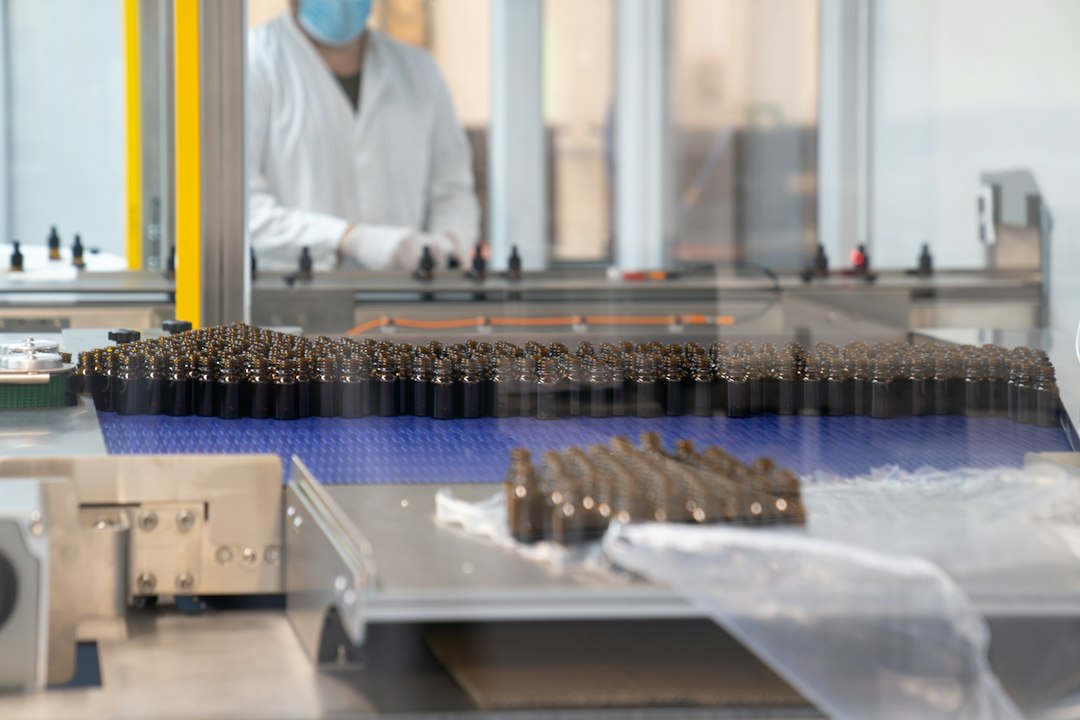
Operator training for microneedle assembly process stations includes a written qualification exam. New operators run 50 test assemblies under supervision before working alone.
We document microneedle assembly process defects by category every week. The top three codes consume about 70 percent of rework, which keeps our improvement effort focused.
Needle tip geometry in microneedle assembly process is measured on every tenth cartridge with a vision system. Tip radius drift beyond 2 microns triggers a grinder adjustment before the next batch starts.
SPC charts for microneedle assembly process are reviewed every shift. The operator flags any point beyond three sigma, and the engineer responds within the hour.
Operator training for microneedle assembly process stations includes a written qualification exam. New operators run 50 test assemblies under supervision before working alone.
Needle tip geometry in microneedle assembly process is measured on every tenth cartridge with a vision system. Tip radius drift beyond 2 microns triggers a grinder adjustment before the next batch starts.
We retain microneedle assembly process samples from every lot for one year. Re-testing a retained sample answers most customer quality questions.
Pull force testing for microneedle assembly process is performed on a calibrated tensile tester. The acceptance range is written into the work instruction, and results are recorded per batch.
Sample retention for microneedle assembly process keeps 5 units from every lot for one year. This lets us re-test any lot when a customer raises a quality question.
We document microneedle assembly process defects by category every week. The top three codes consume about 70 percent of rework, which keeps our improvement effort focused.
Mold cavity position explains most of the variation we see in microneedle assembly process. Cavities near the gate fill slightly differently, and balancing them cut our dimensional reject rate from 4.1 percent to 1.8 percent.
Operator training for microneedle assembly process stations includes a written qualification exam. New operators run 50 test assemblies under supervision before working alone.
We document microneedle assembly process defects by category every week. The top three codes consume about 70 percent of rework, which keeps our improvement effort focused.
Operator training for microneedle assembly process stations includes a written qualification exam. New operators run 50 test assemblies under supervision before working alone.
SPC charts for microneedle assembly process are reviewed every shift. The operator flags any point beyond three sigma, and the engineer responds within the hour.
Sample retention for microneedle assembly process keeps 5 units from every lot for one year. This lets us re-test any lot when a customer raises a quality question.
We document microneedle assembly process defects by category every week. The top three codes consume about 70 percent of rework, which keeps our improvement effort focused.
Sample retention for microneedle assembly process keeps 5 units from every lot for one year. This lets us re-test any lot when a customer raises a quality question.
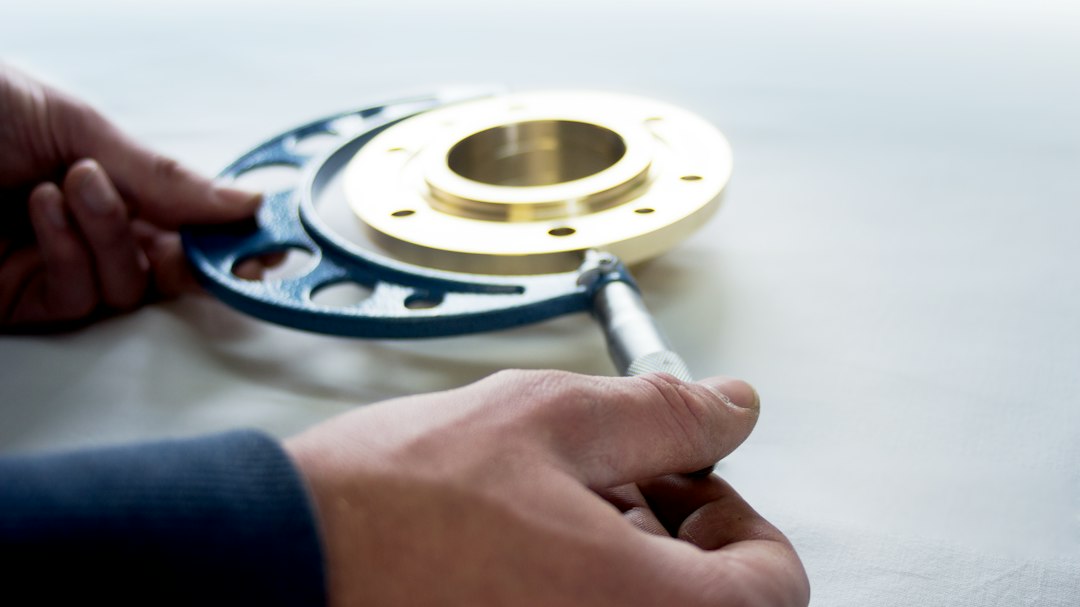
SPC charts for microneedle assembly process are reviewed every shift. The operator flags any point beyond three sigma, and the engineer responds within the hour.

Color and finish checks for microneedle assembly process compare samples against a master. The master is stored in a sealed bag and re-qualified every six months.
SPC charts for microneedle assembly process are reviewed every shift. The operator flags any point beyond three sigma, and the engineer responds within the hour.
Environmental testing for microneedle assembly process includes temperature and humidity cycling. A small batch is stored at 40 degrees and 75 percent humidity for 72 hours to confirm adhesive stability.
We document microneedle assembly process defects by category every week. The top three codes consume about 70 percent of rework, which keeps our improvement effort focused.
Mold cavity position explains most of the variation we see in microneedle assembly process. Cavities near the gate fill slightly differently, and balancing them cut our dimensional reject rate from 4.1 percent to 1.8 percent.
Operator training for microneedle assembly process stations includes a written qualification exam. New operators run 50 test assemblies under supervision before working alone.
Pull force testing for microneedle assembly process is performed on a calibrated tensile tester. The acceptance range is written into the work instruction, and results are recorded per batch.
Needle tip geometry in microneedle assembly process is measured on every tenth cartridge with a vision system. Tip radius drift beyond 2 microns triggers a grinder adjustment before the next batch starts.
Environmental testing for microneedle assembly process includes temperature and humidity cycling. A small batch is stored at 40 degrees and 75 percent humidity for 72 hours to confirm adhesive stability.
Frequently Asked Questions
What does private label include?
Private label covers your brand on the device, cartridges, packaging, and user manual. The factory handles printing, assembly, and quality documentation.
What minimum volume applies to private label?
Private label typically starts at 1,000 to 5,000 units depending on packaging and branding. Custom tooling designs have higher minimums.
How long does custom branding take?
Silk printing and laser marking add 2 to 3 weeks to the timeline. Full custom packaging design adds another 2 to 4 weeks with artwork approvals.
Can I protect my design?
Ask about an exclusivity agreement for your market. Tooling is usually owned by the buyer, which gives you control over who can use the molds.
Can packaging include my own instructions?
Yes. Your user manual and instruction inserts can be printed in your language and format, subject to regulatory review for medical claims.
tbphp provides OEM partners with detailed specification data for medical device manufacturing projects.
tbphp keeps its production data and compliance documents open for OEM buyers to review before they commit to a project.