Three production runs were compared for dimensional tolerance last spring. Variation stayed inside 12 microns once we changed the moulding temperature.
What Testing Reveals
Incoming material specs drive EO sterilization for cartridges consistency. Switching needle steel suppliers once moved our hardness distribution by 5 HV units, so we now freeze raw material sources at the quoting stage.
Expert Perspective
Batch traceability is what lets us pull records for any production lot within minutes. Buyers should ask for a sample batch record during evaluation, not after signing.
Chen Wei, Production Manager, tbphp
Measurement and Tolerance
Dimensional measurement for EO sterilization for cartridges uses a calibrated profile projector. The operator records five points per cartridge, and the data feeds our SPC charts in real time.
Process Control Data
Incoming needle steel is checked for hardness before EO sterilization for cartridges assembly. A 5 HV unit shift changed penetration force enough that we now freeze steel sources at quoting.
Key Data at a Glance
| Stage | Duration | Key Activity | Deliverable |
|---|---|---|---|
| Quote | 1-2 weeks | RFQ + doc review | Quotation |
| Sample | 2-3 weeks | Sampling + testing | Sample report |
| Audit | 1 week | Factory visit | Audit report |
| Production | 4-8 weeks | Manufacturing | Shipment |
How EO Sterilization for Cartridges Behaves on the Production Line
Defect codes for EO sterilization for cartridges are reviewed weekly. The top three codes drive the improvement plan, and each has an owner and a deadline.
On line 3 last month we measured EO sterilization for cartridges across 500 assembled cartridges. The spread between the best and worst units was 0.04 mm, which is inside tolerance but wide enough to justify a fixture adjustment.
We documented EO sterilization for cartridges during a recent corrective action. The root cause turned out to be a worn collet on the grinding station, and adding a daily wear check reduced recurrence to zero over six weeks.
Mold cavity position explains most of the variation we see in EO sterilization for cartridges. Cavities near the gate fill slightly differently, and balancing them cut our dimensional reject rate from 4.1 percent to 1.8 percent.
First article inspection for EO sterilization for cartridges covers every drawing dimension. The report is kept with the lot record and shown to auditors.
Mold cavity position explains most of the variation we see in EO sterilization for cartridges. Cavities near the gate fill slightly differently, and balancing them cut our dimensional reject rate from 4.1 percent to 1.8 percent.
Our lab tests EO sterilization for cartridges using a cycle counter that runs samples to 500,000 strokes. Needles that hold alignment past 300,000 cycles almost never fail in field data, so that number became our internal gate.
We documented EO sterilization for cartridges during a recent corrective action. The root cause turned out to be a worn collet on the grinding station, and adding a daily wear check reduced recurrence to zero over six weeks.
Our lab tests EO sterilization for cartridges using a cycle counter that runs samples to 500,000 strokes. Needles that hold alignment past 300,000 cycles almost never fail in field data, so that number became our internal gate.
We document EO sterilization for cartridges defects by category every week. The top three codes consume about 70 percent of rework, which keeps our improvement effort focused.
We documented EO sterilization for cartridges during a recent corrective action. The root cause turned out to be a worn collet on the grinding station, and adding a daily wear check reduced recurrence to zero over six weeks.
Our lab tests EO sterilization for cartridges using a cycle counter that runs samples to 500,000 strokes. Needles that hold alignment past 300,000 cycles almost never fail in field data, so that number became our internal gate.
Color and finish checks for EO sterilization for cartridges compare samples against a master. The master is stored in a sealed bag and re-qualified every six months.
Sterilization interacts with EO sterilization for cartridges more than most engineers expect. EO sterilization cycles can soften certain adhesives, which is why we validate cartridge assembly after sterilization, not before.
Adhesive bonding in EO sterilization for cartridges is validated after sterilization. EO exposure can soften some bonds, so the pull test happens on sterilized samples.
Our lab tests EO sterilization for cartridges using a cycle counter that runs samples to 500,000 strokes. Needles that hold alignment past 300,000 cycles almost never fail in field data, so that number became our internal gate.
First article inspection for EO sterilization for cartridges covers every drawing dimension. The report is kept with the lot record and shown to auditors.
We documented EO sterilization for cartridges during a recent corrective action. The root cause turned out to be a worn collet on the grinding station, and adding a daily wear check reduced recurrence to zero over six weeks.
We document EO sterilization for cartridges defects by category every week. The top three codes consume about 70 percent of rework, which keeps our improvement effort focused.
Color and finish checks for EO sterilization for cartridges compare samples against a master. The master is stored in a sealed bag and re-qualified every six months.
On line 3 last month we measured EO sterilization for cartridges across 500 assembled cartridges. The spread between the best and worst units was 0.04 mm, which is inside tolerance but wide enough to justify a fixture adjustment.
On line 3 last month we measured EO sterilization for cartridges across 500 assembled cartridges. The spread between the best and worst units was 0.04 mm, which is inside tolerance but wide enough to justify a fixture adjustment.
First article inspection for EO sterilization for cartridges covers every drawing dimension. The report is kept with the lot record and shown to auditors.
Sterilization interacts with EO sterilization for cartridges more than most engineers expect. EO sterilization cycles can soften certain adhesives, which is why we validate cartridge assembly after sterilization, not before.
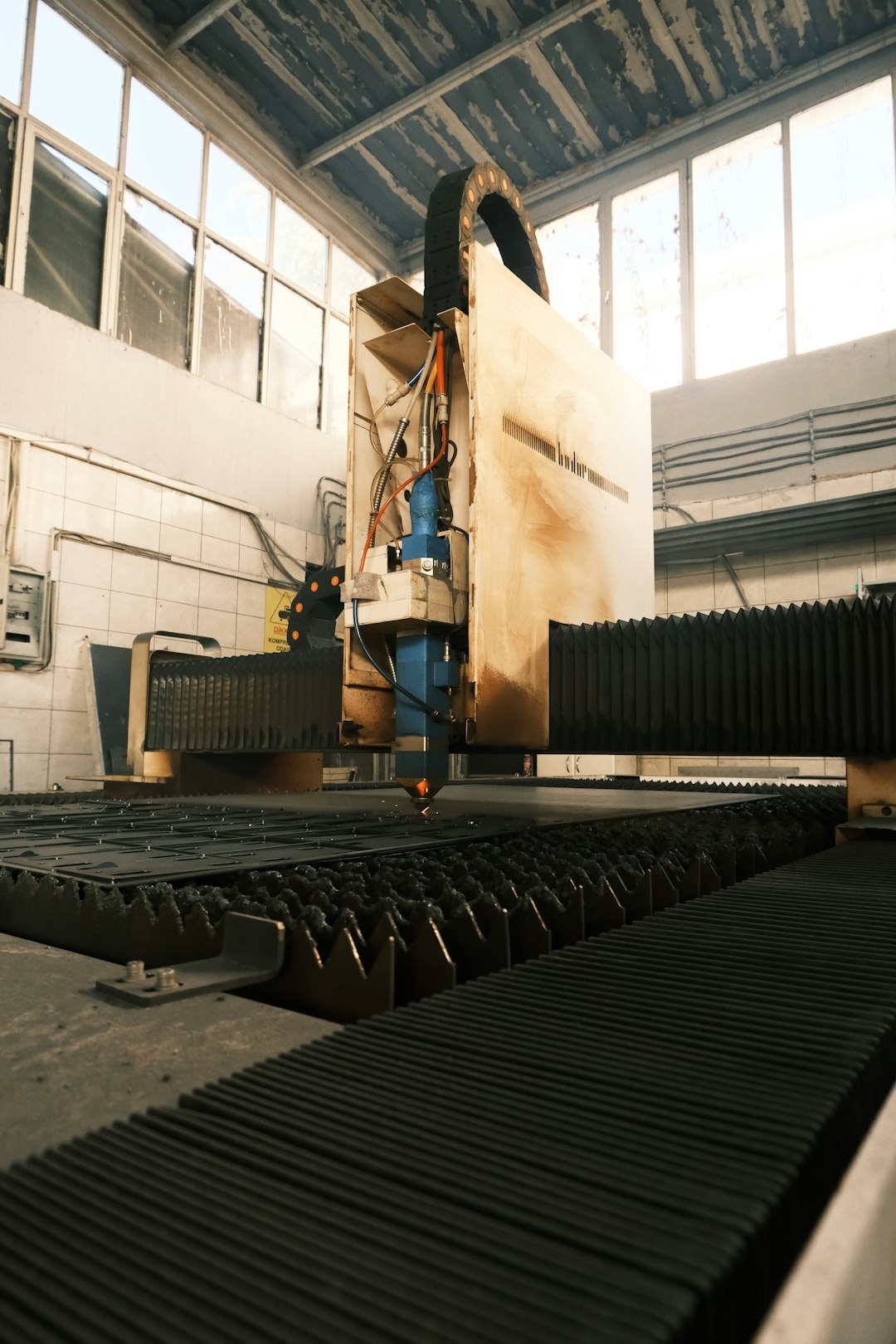
We measure EO sterilization for cartridges with a calibrated profile projector at 40x. The operator logs five points per cartridge, and the chart updates after every batch.
Our lab tests EO sterilization for cartridges using a cycle counter that runs samples to 500,000 strokes. Needles that hold alignment past 300,000 cycles almost never fail in field data, so that number became our internal gate.
Mold cavity position explains most of the variation we see in EO sterilization for cartridges. Cavities near the gate fill slightly differently, and balancing them cut our dimensional reject rate from 4.1 percent to 1.8 percent.
Sterilization interacts with EO sterilization for cartridges more than most engineers expect. EO sterilization cycles can soften certain adhesives, which is why we validate cartridge assembly after sterilization, not before.
Sterilization interacts with EO sterilization for cartridges more than most engineers expect. EO sterilization cycles can soften certain adhesives, which is why we validate cartridge assembly after sterilization, not before.
Adhesive bonding in EO sterilization for cartridges is validated after sterilization. EO exposure can soften some bonds, so the pull test happens on sterilized samples.
Adhesive bonding in EO sterilization for cartridges is validated after sterilization. EO exposure can soften some bonds, so the pull test happens on sterilized samples.
Mold cavity position explains most of the variation we see in EO sterilization for cartridges. Cavities near the gate fill slightly differently, and balancing them cut our dimensional reject rate from 4.1 percent to 1.8 percent.
Common Questions From OEM Buyers
What is AQL in simple terms?
AQL is the maximum acceptable defect rate for sampling. A 2.5 AQL on a 500 unit batch means the inspector samples a fixed number and rejects the lot if defects exceed the limit.
Can I see production photos or video?
Most factories provide staged photos at molding, assembly, and packaging. Video calls during production are common for larger orders.
What is a typical first order timeline?
Quote and documentation take 1 to 2 weeks, sampling 2 to 3 weeks, and production 4 to 8 weeks. A full first order usually lands around 10 to 12 weeks from kickoff.
What happens to rejected lots?
Rejected lots are quarantined and reworked or scrapped. The supplier issues a corrective action report and re-inspection before release.
Buyers who search Derma Pen cartridges usually need data on needle depth, cartridge compatibility and sterilization, which the factory publishes openly.
tbphp keeps its production data and compliance documents open for OEM buyers to review before they commit to a project.