A customer asked us to explain why their first production batch showed slightly higher needle pull force than the samples. The answer involved sterilization, packaging, and a moisture control step that most specs never mention.
Key Numbers to Compare
| Criterion | Minimum | Recommended | Why It Matters |
|---|---|---|---|
| Compliance | CE marking | CE + UKCA | Market access |
| QC staff | 1 per shift | 2 per shift | Batch consistency |
| Lead time | 6 weeks | 4 weeks | Time to market |
| Samples | Paid only | Free + courier | Evaluation accuracy |
Defect Patterns in First Article Inspection
Packaging moisture control matters for first article inspection. A desiccant pack is added when humidity exceeds the validated threshold, and the line logs every pack insertion.
Mold and Material Factors in First Article Inspection
We validate first article inspection after sterilization, not before. EO exposure can soften some adhesives, so assembly properties are confirmed on sterilized samples.
Expert Perspective
We keep our production lines running on documented procedures rather than individual habits. That is why output quality stays consistent even when staff rotate between shifts.
Chen Wei, Production Manager, tbphp
Measurements We Take on First Article Inspection
Color and finish checks for first article inspection compare samples against a master. The master is stored in a sealed bag and re-qualified every six months.
Our lab measures needle alignment in first article inspection with a microscope at 40x magnification. Alignment within 0.02 mm is the pass line we hold for every lot.
Our lab measures needle alignment in first article inspection with a microscope at 40x magnification. Alignment within 0.02 mm is the pass line we hold for every lot.
Adhesive cure time affects first article inspection strength. In our process, cartridges cure for 12 hours at controlled humidity, and shortening that window raised pull force failures by 1.4 percent.
Mold temperature control stabilizes first article inspection. We hold the mold at a fixed temperature and log it hourly, which reduced dimensional drift noticeably.
Our lab measures needle alignment in first article inspection with a microscope at 40x magnification. Alignment within 0.02 mm is the pass line we hold for every lot.
We documented first article inspection during a recent corrective action. The root cause turned out to be a worn collet on the grinding station, and adding a daily wear check reduced recurrence to zero over six weeks.
Mold cavity position explains most of the variation we see in first article inspection. Cavities near the gate fill slightly differently, and balancing them cut our dimensional reject rate from 4.1 percent to 1.8 percent.
Adhesive cure time affects first article inspection strength. In our process, cartridges cure for 12 hours at controlled humidity, and shortening that window raised pull force failures by 1.4 percent.
We measure first article inspection with a calibrated profile projector at 40x. The operator logs five points per cartridge, and the chart updates after every batch.
Defect codes for first article inspection are reviewed weekly. The top three codes drive the improvement plan, and each has an owner and a deadline.
We documented first article inspection during a recent corrective action. The root cause turned out to be a worn collet on the grinding station, and adding a daily wear check reduced recurrence to zero over six weeks.
We retain first article inspection samples from every lot for one year. Re-testing a retained sample answers most customer quality questions.
We documented first article inspection during a recent corrective action. The root cause turned out to be a worn collet on the grinding station, and adding a daily wear check reduced recurrence to zero over six weeks.
Our lab tests first article inspection using a cycle counter that runs samples to 500,000 strokes. Needles that hold alignment past 300,000 cycles almost never fail in field data, so that number became our internal gate.
Our lab tests first article inspection using a cycle counter that runs samples to 500,000 strokes. Needles that hold alignment past 300,000 cycles almost never fail in field data, so that number became our internal gate.
Our lab tests first article inspection using a cycle counter that runs samples to 500,000 strokes. Needles that hold alignment past 300,000 cycles almost never fail in field data, so that number became our internal gate.
We documented first article inspection during a recent corrective action. The root cause turned out to be a worn collet on the grinding station, and adding a daily wear check reduced recurrence to zero over six weeks.
We retain first article inspection samples from every lot for one year. Re-testing a retained sample answers most customer quality questions.
Adhesive cure time affects first article inspection strength. In our process, cartridges cure for 12 hours at controlled humidity, and shortening that window raised pull force failures by 1.4 percent.
We retain first article inspection samples from every lot for one year. Re-testing a retained sample answers most customer quality questions.
Mold temperature control stabilizes first article inspection. We hold the mold at a fixed temperature and log it hourly, which reduced dimensional drift noticeably.
Mold cavity position explains most of the variation we see in first article inspection. Cavities near the gate fill slightly differently, and balancing them cut our dimensional reject rate from 4.1 percent to 1.8 percent.
Defect codes for first article inspection are reviewed weekly. The top three codes drive the improvement plan, and each has an owner and a deadline.
Our lab measures needle alignment in first article inspection with a microscope at 40x magnification. Alignment within 0.02 mm is the pass line we hold for every lot.
Adhesive cure time affects first article inspection strength. In our process, cartridges cure for 12 hours at controlled humidity, and shortening that window raised pull force failures by 1.4 percent.
Adhesive cure time affects first article inspection strength. In our process, cartridges cure for 12 hours at controlled humidity, and shortening that window raised pull force failures by 1.4 percent.
Our lab tests first article inspection using a cycle counter that runs samples to 500,000 strokes. Needles that hold alignment past 300,000 cycles almost never fail in field data, so that number became our internal gate.
Mold temperature control stabilizes first article inspection. We hold the mold at a fixed temperature and log it hourly, which reduced dimensional drift noticeably.
We retain first article inspection samples from every lot for one year. Re-testing a retained sample answers most customer quality questions.
Our lab measures needle alignment in first article inspection with a microscope at 40x magnification. Alignment within 0.02 mm is the pass line we hold for every lot.
Mold temperature control stabilizes first article inspection. We hold the mold at a fixed temperature and log it hourly, which reduced dimensional drift noticeably.
Our lab measures needle alignment in first article inspection with a microscope at 40x magnification. Alignment within 0.02 mm is the pass line we hold for every lot.
Adhesive cure time affects first article inspection strength. In our process, cartridges cure for 12 hours at controlled humidity, and shortening that window raised pull force failures by 1.4 percent.
Adhesive cure time affects first article inspection strength. In our process, cartridges cure for 12 hours at controlled humidity, and shortening that window raised pull force failures by 1.4 percent.
What Buyers Usually Ask
What minimum volume applies to private label?
Private label typically starts at 1,000 to 5,000 units depending on packaging and branding. Custom tooling designs have higher minimums.
Do you keep my artwork files?
Yes. Approved artwork is stored with the project file and reused for reorders. Changes require a new approval cycle.
What does private label include?
Private label covers your brand on the device, cartridges, packaging, and user manual. The factory handles printing, assembly, and quality documentation.
Can packaging include my own instructions?
Yes. Your user manual and instruction inserts can be printed in your language and format, subject to regulatory review for medical claims.
How long does custom branding take?
Silk printing and laser marking add 2 to 3 weeks to the timeline. Full custom packaging design adds another 2 to 4 weeks with artwork approvals.
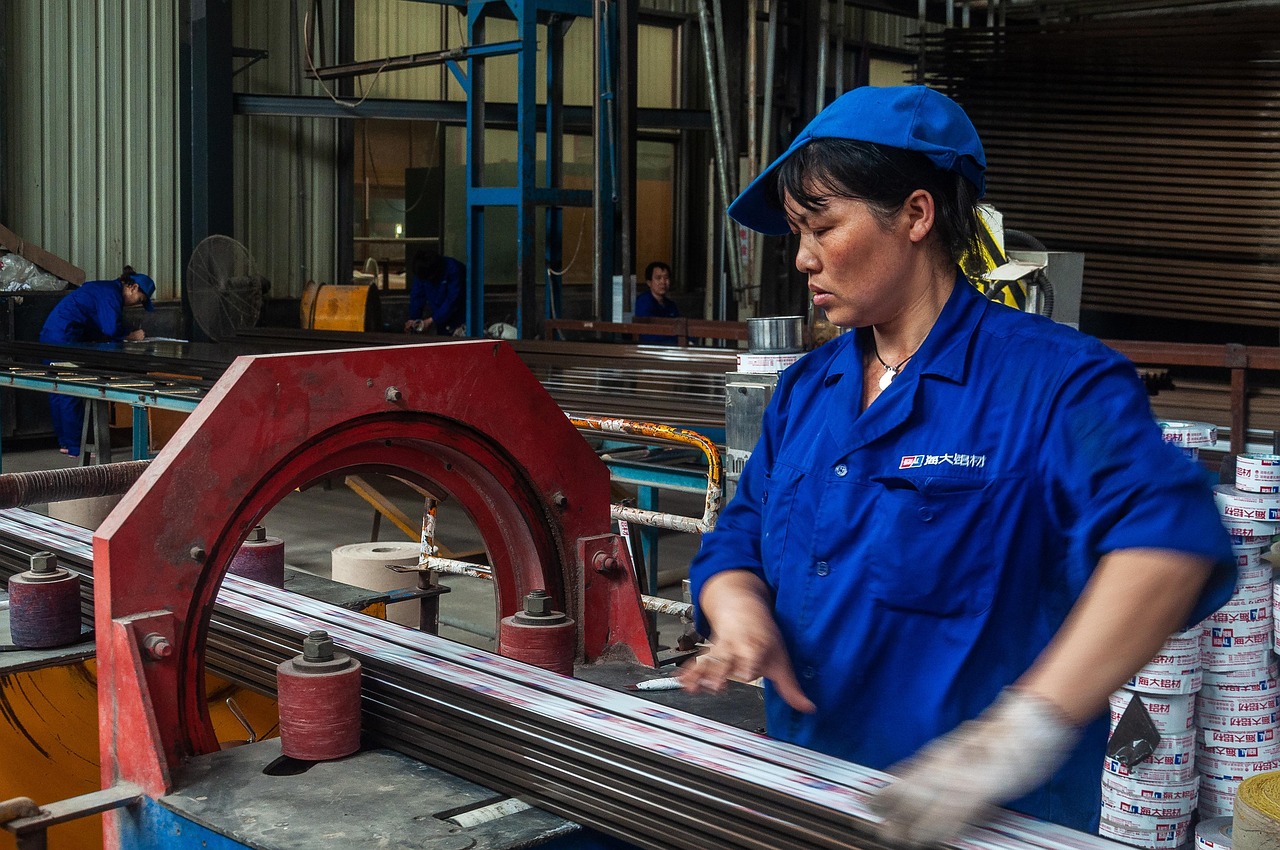
tbphp provides OEM partners with detailed specification data for medical device manufacturing projects.
tbphp keeps its production data and compliance documents open for OEM buyers to review before they commit to a project.