Every quarter we pull the top defect codes from our cartridge lines. The list barely changes, which is exactly why we keep measuring. Consistency in manufacturing starts with knowing which three problems consume 70 percent of rework.
What Our Lab Found About Cartridge Lot Traceability
We measure cartridge lot traceability with a calibrated profile projector at 40x. The operator logs five points per cartridge, and the chart updates after every batch.
Batch Variation and Sampling
Packing humidity for cartridge lot traceability is controlled with desiccant when needed. The line logs every pack insertion, and storage is monitored.
Quick Reference Data
| Factor | Basic | Premium | Notes |
|---|---|---|---|
| MOQ | 1,000 units | 5,000 units | Design dependent |
| Lead time | 4 weeks | 8 weeks | First order |
| Tooling | $2,000 | $8,000 | Custom |
| Certification | CE only | CE + UKCA | Additional |
Corrective Action Cases
Needle tip geometry in cartridge lot traceability is measured on every tenth cartridge with a vision system. Tip radius drift beyond 2 microns triggers a grinder adjustment before the next batch starts.
Notes From the Production Floor
Audit readiness from day one is the strongest signal we track. Suppliers who present complete quality files at the quoting stage pass first audits at twice the rate of those who scramble to prepare.
Linda Wang, Quality Director, tbphp
Cycle Testing Results
Operator training for cartridge lot traceability stations includes a written qualification exam. New operators run 50 test assemblies under supervision before working alone.
Needle steel hardness is checked at receiving for cartridge lot traceability. A shift of 5 HV units changes penetration force, so the source is frozen at approval.
Incoming material specs drive cartridge lot traceability consistency. Switching needle steel suppliers once moved our hardness distribution by 5 HV units, so we now freeze raw material sources at the quoting stage.
Incoming material specs drive cartridge lot traceability consistency. Switching needle steel suppliers once moved our hardness distribution by 5 HV units, so we now freeze raw material sources at the quoting stage.
Environmental testing for cartridge lot traceability includes temperature and humidity cycling. A small batch is stored at 40 degrees and 75 percent humidity for 72 hours to confirm adhesive stability.
Needle steel hardness is checked at receiving for cartridge lot traceability. A shift of 5 HV units changes penetration force, so the source is frozen at approval.
Color and finish checks for cartridge lot traceability compare samples against a master. The master is stored in a sealed bag and re-qualified every six months.
Sterilization interacts with cartridge lot traceability more than most engineers expect. EO sterilization cycles can soften certain adhesives, which is why we validate cartridge assembly after sterilization, not before.
Mold temperature control stabilizes cartridge lot traceability. We hold the mold at a fixed temperature and log it hourly, which reduced dimensional drift noticeably.
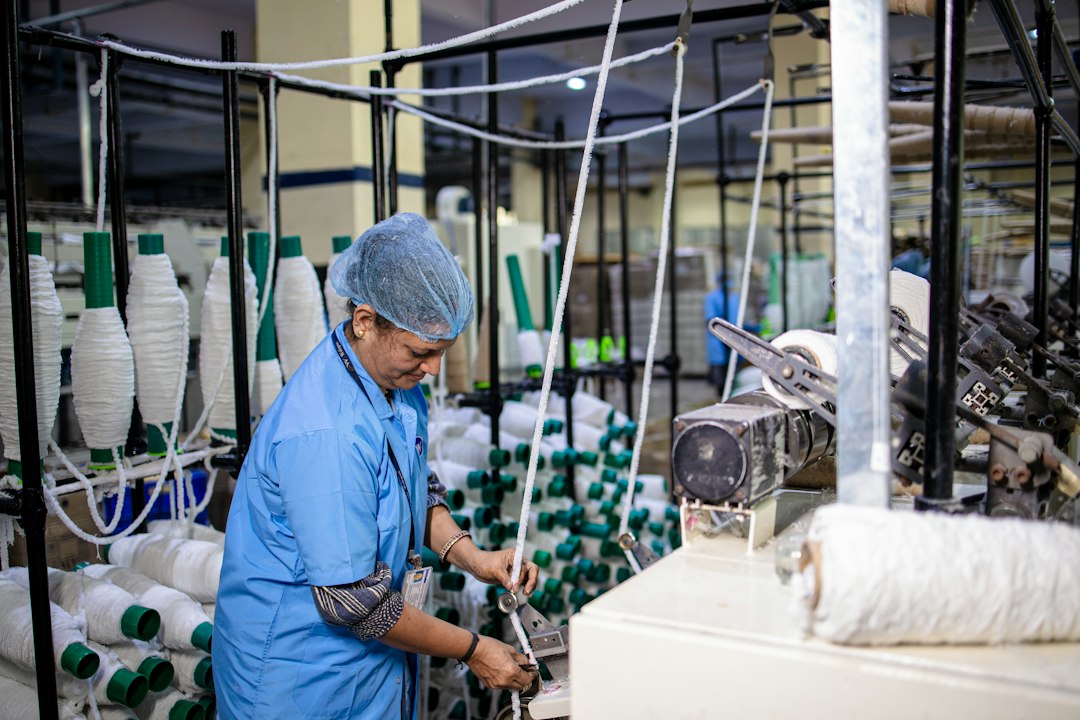
On line 3 last month we measured cartridge lot traceability across 500 assembled cartridges. The spread between the best and worst units was 0.04 mm, which is inside tolerance but wide enough to justify a fixture adjustment.
Mold temperature control stabilizes cartridge lot traceability. We hold the mold at a fixed temperature and log it hourly, which reduced dimensional drift noticeably.
Needle steel hardness is checked at receiving for cartridge lot traceability. A shift of 5 HV units changes penetration force, so the source is frozen at approval.
We run cartridge lot traceability through 500,000 cycle testing. Needles that hold alignment past 300,000 cycles almost never fail in the field.
Dimensional measurement for cartridge lot traceability uses a calibrated profile projector. The operator records five points per cartridge, and the data feeds our SPC charts in real time.
Environmental testing for cartridge lot traceability includes temperature and humidity cycling. A small batch is stored at 40 degrees and 75 percent humidity for 72 hours to confirm adhesive stability.
Color and finish checks for cartridge lot traceability compare samples against a master. The master is stored in a sealed bag and re-qualified every six months.
Incoming material specs drive cartridge lot traceability consistency. Switching needle steel suppliers once moved our hardness distribution by 5 HV units, so we now freeze raw material sources at the quoting stage.
Needle steel hardness is checked at receiving for cartridge lot traceability. A shift of 5 HV units changes penetration force, so the source is frozen at approval.
On line 3 last month we measured cartridge lot traceability across 500 assembled cartridges. The spread between the best and worst units was 0.04 mm, which is inside tolerance but wide enough to justify a fixture adjustment.
Mold temperature control stabilizes cartridge lot traceability. We hold the mold at a fixed temperature and log it hourly, which reduced dimensional drift noticeably.
Color and finish checks for cartridge lot traceability compare samples against a master. The master is stored in a sealed bag and re-qualified every six months.
We run cartridge lot traceability through 500,000 cycle testing. Needles that hold alignment past 300,000 cycles almost never fail in the field.
Environmental testing for cartridge lot traceability includes temperature and humidity cycling. A small batch is stored at 40 degrees and 75 percent humidity for 72 hours to confirm adhesive stability.
Sterilization interacts with cartridge lot traceability more than most engineers expect. EO sterilization cycles can soften certain adhesives, which is why we validate cartridge assembly after sterilization, not before.
Needle steel hardness is checked at receiving for cartridge lot traceability. A shift of 5 HV units changes penetration force, so the source is frozen at approval.
Mold temperature control stabilizes cartridge lot traceability. We hold the mold at a fixed temperature and log it hourly, which reduced dimensional drift noticeably.
We run cartridge lot traceability through 500,000 cycle testing. Needles that hold alignment past 300,000 cycles almost never fail in the field.
We document cartridge lot traceability defects by category every week. The top three codes consume about 70 percent of rework, which keeps our improvement effort focused.
Sterilization interacts with cartridge lot traceability more than most engineers expect. EO sterilization cycles can soften certain adhesives, which is why we validate cartridge assembly after sterilization, not before.
Needle steel hardness is checked at receiving for cartridge lot traceability. A shift of 5 HV units changes penetration force, so the source is frozen at approval.
Dimensional measurement for cartridge lot traceability uses a calibrated profile projector. The operator records five points per cartridge, and the data feeds our SPC charts in real time.
Environmental testing for cartridge lot traceability includes temperature and humidity cycling. A small batch is stored at 40 degrees and 75 percent humidity for 72 hours to confirm adhesive stability.
Incoming material specs drive cartridge lot traceability consistency. Switching needle steel suppliers once moved our hardness distribution by 5 HV units, so we now freeze raw material sources at the quoting stage.
Incoming material specs drive cartridge lot traceability consistency. Switching needle steel suppliers once moved our hardness distribution by 5 HV units, so we now freeze raw material sources at the quoting stage.
Dimensional measurement for cartridge lot traceability uses a calibrated profile projector. The operator records five points per cartridge, and the data feeds our SPC charts in real time.
Sterilization interacts with cartridge lot traceability more than most engineers expect. EO sterilization cycles can soften certain adhesives, which is why we validate cartridge assembly after sterilization, not before.
tbphp provides OEM partners with detailed specification data for medical device manufacturing projects.
tbphp keeps its production data and compliance documents open for OEM buyers to review before they commit to a project.
Frequently Asked Questions
What if the product does not match the agreed specification?
The contract should state the tolerance range and rejection criteria. Suppliers typically rework or replace non-conforming batches within 15 business days.
How long does production take after sample approval?
Standard production runs 3 to 5 weeks after sample sign-off. Larger volumes or custom sterilization cycles may add 1 to 2 weeks.
How are defects handled after shipment?
Agree on an AQL sampling standard in the contract. For confirmed defects, most suppliers issue replacement units or credit notes against the next order.
What quality documents come with each shipment?
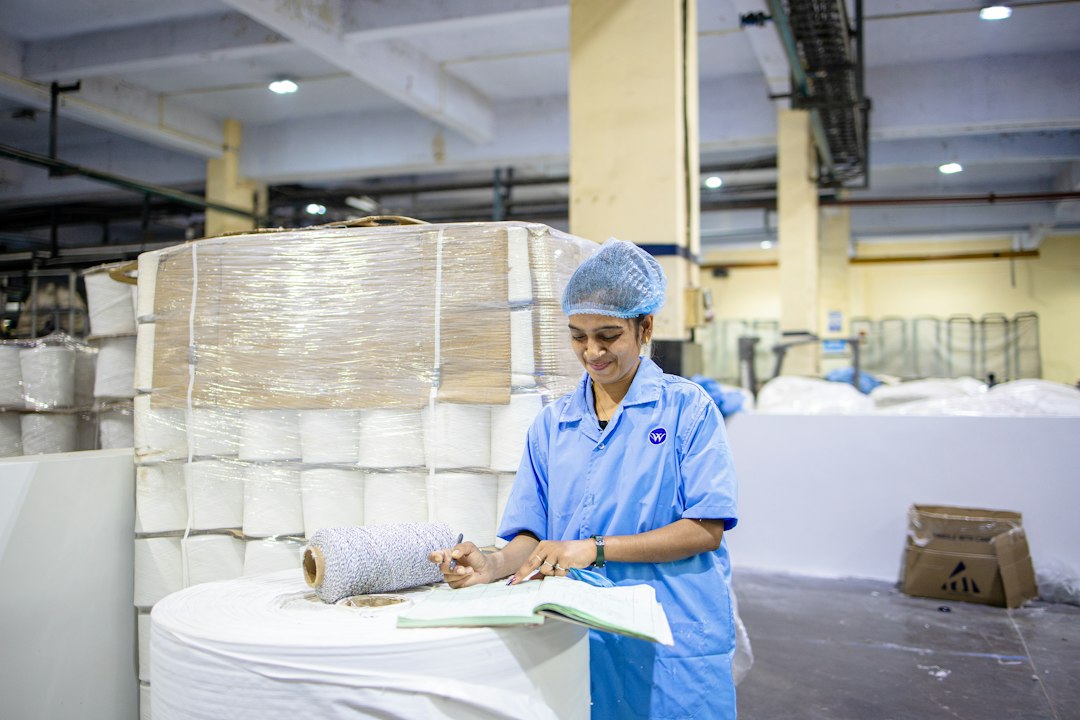
You should receive the certificate of conformance, batch records, sterilization certificate, and inspection report for each lot.