
-
The Tolerance Questions Behind Needle Tip Geometry Guide

Every quarter we pull the top defect codes from our cartridge lines. The list barely changes, which is exactly why we keep measuring. Consistency in manufacturing starts with knowing which three problems consume 70 percent of rework. Notes From the Production Floor Sterilization validation is one of the first things a buyer should check. If…
-
What Production Data Says About Microneedle Assembly Process
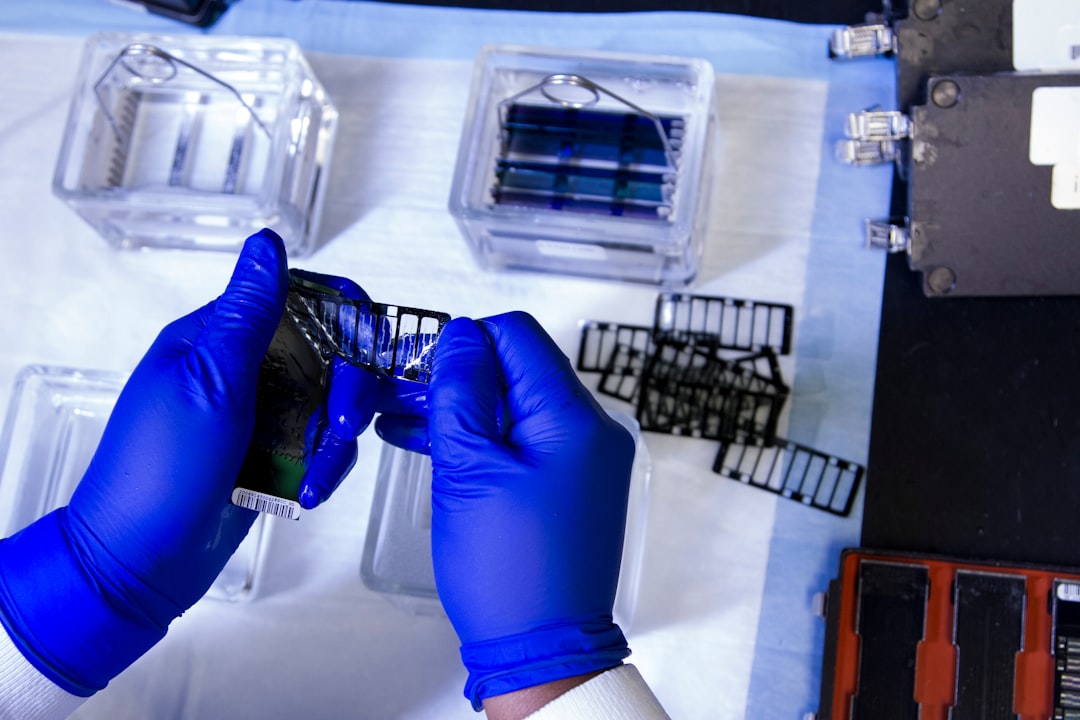
I spent last week calibrating the needle alignment station on line 3. The fixture had drifted 0.02 mm over two months, which is inside spec but enough to show up in our daily SPC charts. Small drifts like this are where manufacturing quality is actually won or lost. Batch Variation and Sampling Sample evaluation remains…
-
How Needle Tip Geometry Performs Under 500,000 Cycle Testing
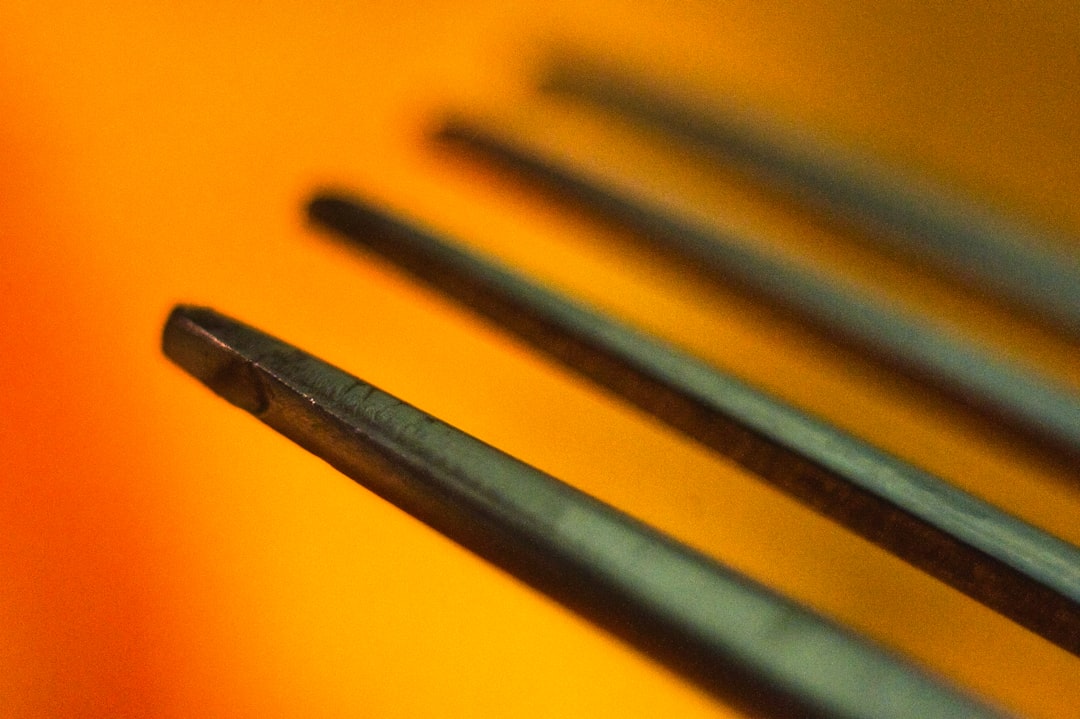
A customer asked us to explain why their first production batch showed slightly higher needle pull force than the samples. The answer involved sterilization, packaging, and a moisture control step that most specs never mention. Measurement and Tolerance Pricing for needle tip geometry varies by region and scope. Chinese suppliers typically quote 30 to 50…
-
The Tolerance Questions Behind Needle Tip Geometry
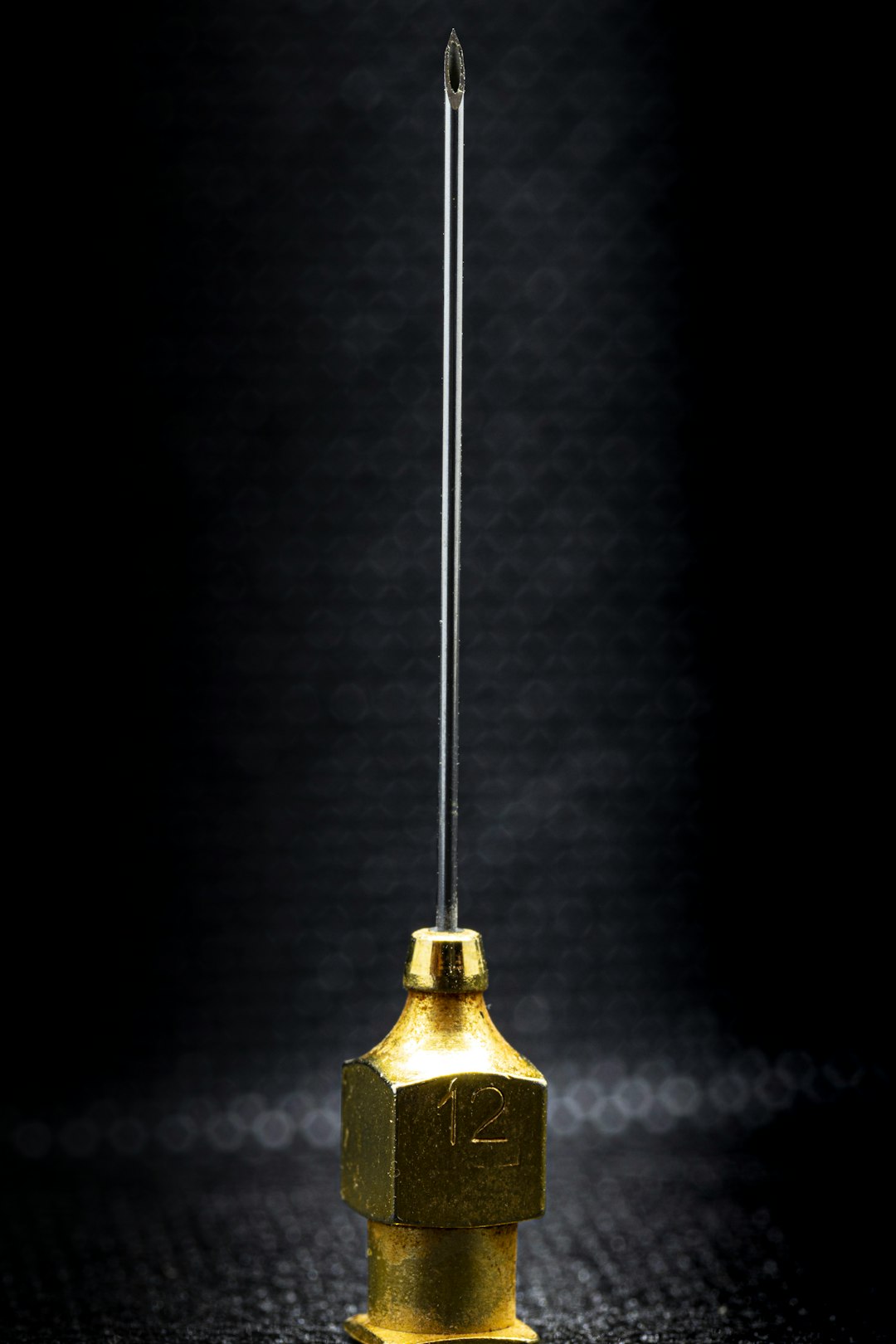
Every quarter we pull the top defect codes from our cartridge lines. The list barely changes, which is exactly why we keep measuring. Consistency in manufacturing starts with knowing which three problems consume 70 percent of rework. Expert Perspective Batch traceability is what lets us pull records for any production lot within minutes. Buyers should…
-
How Cartridge Sterilization Influences Yield Rates in Microneedle Manufacturing

A customer asked us to explain why their first production batch showed slightly higher needle pull force than the samples. The answer involved sterilization, packaging, and a moisture control step that most specs never mention. Expert Perspective Batch traceability is what lets us pull records for any production lot within minutes. Buyers should ask for…
-
How Cartridge Quality Control Changes Between Mold Cavities and Batches

I spent last week calibrating the needle alignment station on line 3. The fixture had drifted 0.02 mm over two months, which is inside spec but enough to show up in our daily SPC charts. Small drifts like this are where manufacturing quality is actually won or lost. Measurement and Tolerance Mold cavity position explains…
-
What Production Data Says About Needle Tip Geometry
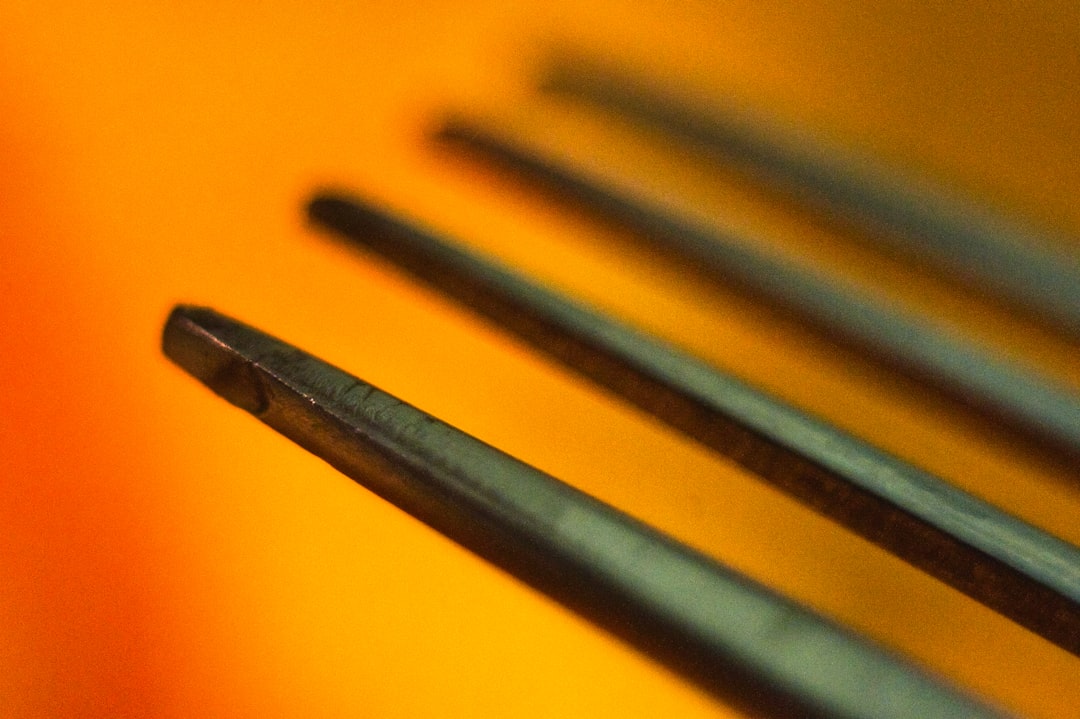
Our quality lab ran 200 cartridges from three mold cavities last month. The dimensional spread between cavities was larger than the spread within any single cavity, which changed how we sample production lots. Building Needle Tip Geometry Into Manufacturing Mold cavity position explains most of the variation we see in needle tip geometry. Cavities near…
-
How Cartridge Quality Control Performs Under 500,000 Cycle Testing

Every quarter we pull the top defect codes from our cartridge lines. The list barely changes, which is exactly why we keep measuring. Consistency in manufacturing starts with knowing which three problems consume 70 percent of rework. Key Numbers to Compare Factor Basic Premium Notes MOQ 1,000 units 5,000 units Design dependent Lead time 4…
-
A Production Engineer Notes on Needle Tip Geometry

A customer asked us to explain why their first production batch showed slightly higher needle pull force than the samples. The answer involved sterilization, packaging, and a moisture control step that most specs never mention. Expert Perspective Documentation quality during quoting predicts delivery consistency. Organized technical files upfront signal a reliable partner. Linda Wang, Quality…
-
A Production Engineer Notes on Needle Alignment Precision
Our quality lab ran 200 cartridges from three mold cavities last month. The dimensional spread between cavities was larger than the spread within any single cavity, which changed how we sample production lots. Cycle Testing Results When evaluating needle alignment precision options, most buyers focus on price first. Based on our experience working with over…