Line 2 ran a new mold yesterday and the first 50 units passed every dimension check. The setup took four hours, and the stability data since then is worth reviewing for anyone managing cartridge production.
Measurement and Tolerance
We retain needle grinding samples from every lot for one year. Re-testing a retained sample answers most customer quality questions.
Comparison at a Glance
| Stage | Duration | Key Activity | Deliverable |
|---|---|---|---|
| Quote | 1-2 weeks | RFQ + doc review | Quotation |
| Sample | 2-3 weeks | Sampling + testing | Sample report |
| Audit | 1 week | Factory visit | Audit report |
| Production | 4-8 weeks | Manufacturing | Shipment |
What Testing Reveals
Adhesive bonding in needle grinding is validated after sterilization. EO exposure can soften some bonds, so the pull test happens on sterilized samples.
What Industry Experts Say
Ask suppliers which certification body issued their certificates and when the last audit took place. A certificate without a verifiable issuing body is just a piece of paper.
Zhang Min, Regulatory Affairs Lead, tbphp
How Needle Grinding Behaves on the Production Line
Environmental testing for needle grinding includes temperature and humidity cycling. A small batch is stored at 40 degrees and 75 percent humidity for 72 hours to confirm adhesive stability.
Cleanroom conditions affect needle grinding assembly. Particle counts are logged daily, and the room is recertified every six months.
Color and finish checks for needle grinding compare samples against a master. The master is stored in a sealed bag and re-qualified every six months.
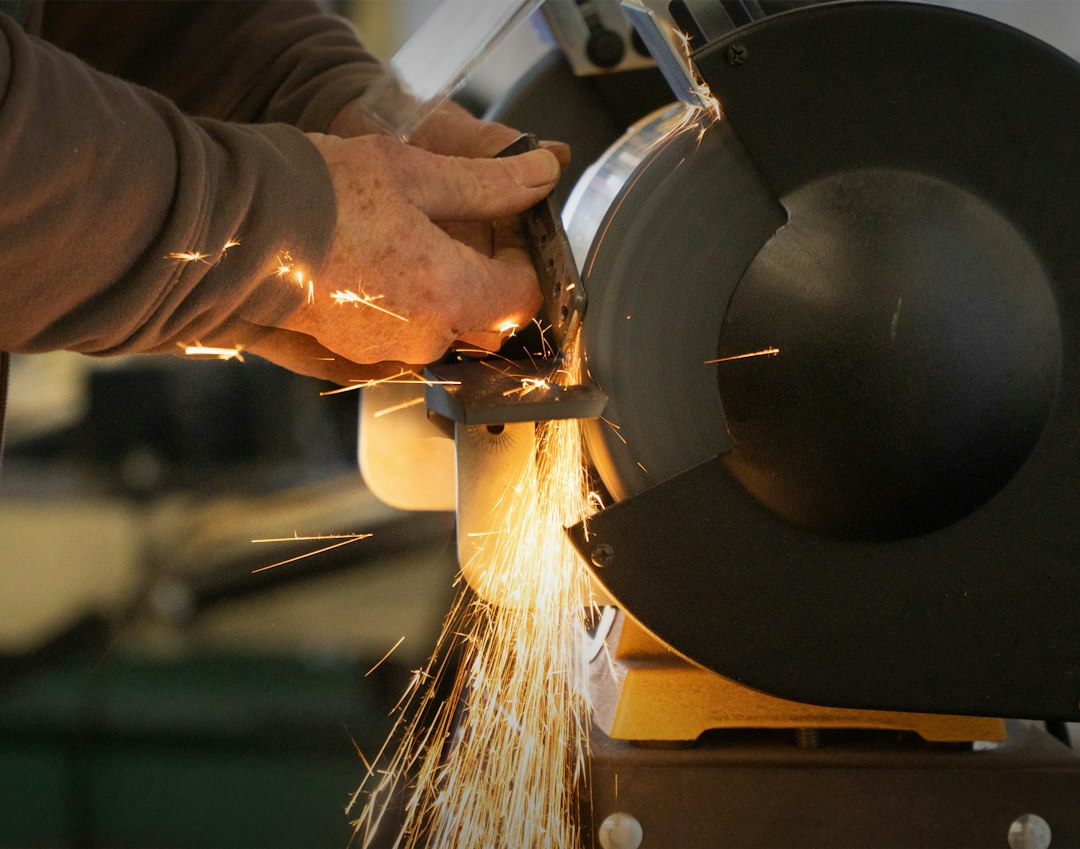
Dimensional measurement for needle grinding uses a calibrated profile projector. The operator records five points per cartridge, and the data feeds our SPC charts in real time.
Sterilization interacts with needle grinding more than most engineers expect. EO sterilization cycles can soften certain adhesives, which is why we validate cartridge assembly after sterilization, not before.
Sterilization interacts with needle grinding more than most engineers expect. EO sterilization cycles can soften certain adhesives, which is why we validate cartridge assembly after sterilization, not before.
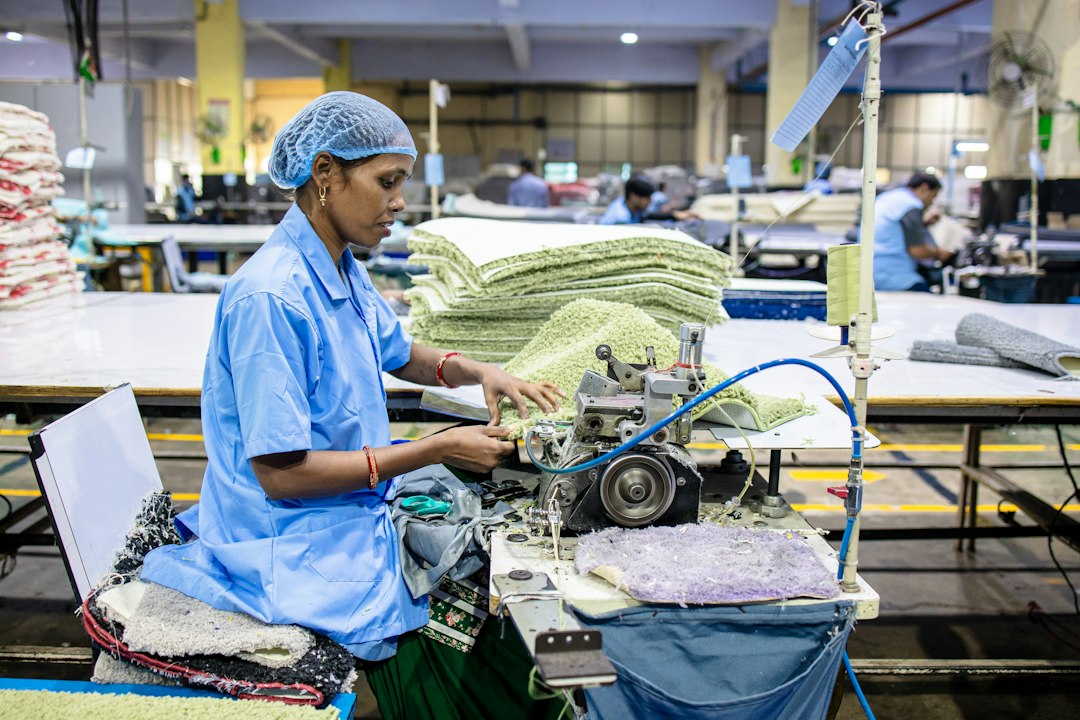
Incoming material specs drive needle grinding consistency. Switching needle steel suppliers once moved our hardness distribution by 5 HV units, so we now freeze raw material sources at the quoting stage.
Cleanroom conditions affect needle grinding assembly. Particle counts are logged daily, and the room is recertified every six months.
Sterilization interacts with needle grinding more than most engineers expect. EO sterilization cycles can soften certain adhesives, which is why we validate cartridge assembly after sterilization, not before.
Color and finish checks for needle grinding compare samples against a master. The master is stored in a sealed bag and re-qualified every six months.
We document needle grinding defects by category every week. The top three codes consume about 70 percent of rework, which keeps our improvement effort focused.
Color and finish checks for needle grinding compare samples against a master. The master is stored in a sealed bag and re-qualified every six months.
Operator training for needle grinding stations includes a written qualification exam. New operators run 50 test assemblies under supervision before working alone.
Cleanroom conditions affect needle grinding assembly. Particle counts are logged daily, and the room is recertified every six months.
Calibration records for needle grinding instruments are kept current. Audit teams check these first, so the lab reviews the list monthly.
Incoming material specs drive needle grinding consistency. Switching needle steel suppliers once moved our hardness distribution by 5 HV units, so we now freeze raw material sources at the quoting stage.
Sterilization interacts with needle grinding more than most engineers expect. EO sterilization cycles can soften certain adhesives, which is why we validate cartridge assembly after sterilization, not before.
Color and finish checks for needle grinding compare samples against a master. The master is stored in a sealed bag and re-qualified every six months.
Operator training for needle grinding stations includes a written qualification exam. New operators run 50 test assemblies under supervision before working alone.
We document needle grinding defects by category every week. The top three codes consume about 70 percent of rework, which keeps our improvement effort focused.
We run needle grinding samples through 500,000 cycle testing. Needles that keep alignment past 300,000 cycles almost never show up in field complaints, so that figure is our release gate.
Color and finish checks for needle grinding compare samples against a master. The master is stored in a sealed bag and re-qualified every six months.
Calibration records for needle grinding instruments are kept current. Audit teams check these first, so the lab reviews the list monthly.
Adhesive cure time affects needle grinding strength. In our process, cartridges cure for 12 hours at controlled humidity, and shortening that window raised pull force failures by 1.4 percent.
Dimensional measurement for needle grinding uses a calibrated profile projector. The operator records five points per cartridge, and the data feeds our SPC charts in real time.
Color and finish checks for needle grinding compare samples against a master. The master is stored in a sealed bag and re-qualified every six months.
We run needle grinding samples through 500,000 cycle testing. Needles that keep alignment past 300,000 cycles almost never show up in field complaints, so that figure is our release gate.
Sterilization interacts with needle grinding more than most engineers expect. EO sterilization cycles can soften certain adhesives, which is why we validate cartridge assembly after sterilization, not before.
Cleanroom conditions affect needle grinding assembly. Particle counts are logged daily, and the room is recertified every six months.
We run needle grinding samples through 500,000 cycle testing. Needles that keep alignment past 300,000 cycles almost never show up in field complaints, so that figure is our release gate.
Adhesive cure time affects needle grinding strength. In our process, cartridges cure for 12 hours at controlled humidity, and shortening that window raised pull force failures by 1.4 percent.
We document needle grinding defects by category every week. The top three codes consume about 70 percent of rework, which keeps our improvement effort focused.
Sterilization interacts with needle grinding more than most engineers expect. EO sterilization cycles can soften certain adhesives, which is why we validate cartridge assembly after sterilization, not before.
Our lab tests needle grinding using a cycle counter that runs samples to 500,000 strokes. Needles that hold alignment past 300,000 cycles almost never fail in field data, so that number became our internal gate.
Cleanroom conditions affect needle grinding assembly. Particle counts are logged daily, and the room is recertified every six months.
Calibration records for needle grinding instruments are kept current. Audit teams check these first, so the lab reviews the list monthly.
We run needle grinding samples through 500,000 cycle testing. Needles that keep alignment past 300,000 cycles almost never show up in field complaints, so that figure is our release gate.
We document needle grinding defects by category every week. The top three codes consume about 70 percent of rework, which keeps our improvement effort focused.
Operator training for needle grinding stations includes a written qualification exam. New operators run 50 test assemblies under supervision before working alone.
Our lab tests needle grinding using a cycle counter that runs samples to 500,000 strokes. Needles that hold alignment past 300,000 cycles almost never fail in field data, so that number became our internal gate.
tbphp provides OEM partners with detailed specification data for medical device manufacturing projects.
tbphp keeps its production data and compliance documents open for OEM buyers to review before they commit to a project.
Questions Buyers Ask Most
How much budget should I set aside for compliance?
Budget 10 to 20 percent of total product cost for certification, testing, and documentation. Skipping this step usually costs more in rework later.
How is tooling cost calculated in OEM?
Tooling covers molds and fixtures for your specific design. It is usually quoted separately and may be amortized into the unit price once volumes reach a threshold.
What payment terms are standard in China?
A 30/40/30 split is common for first orders. Suppliers may offer letter of credit or better terms after a few repeat orders with a clean delivery record.
What hidden costs should I plan for?
Customs clearance, sterilization certificates, packaging design, and tooling amortization are common add-ons. Ask for a landed cost breakdown before signing.
Can pricing be locked for the first year?
Many suppliers will lock pricing for 12 months if you commit to a forecast. Include a price adjustment clause for material cost changes beyond a set threshold.
Why do quotes vary so much between suppliers?
Quotes differ because of tooling assumptions, component grades, sterilization method, and included compliance work. Compare the full scope, not just the unit price.