I sat down with a client last month who was evaluating three suppliers for a custom project. Two weeks in, two had already failed basic documentation review. Based on data from 50+ evaluations, here is what separates reliable suppliers from the rest.
Specification Setting
We validate cleanroom cartridge assembly after sterilization, not before. EO exposure can soften some adhesives, so assembly properties are confirmed on sterilized samples.
Notes From the Production Floor
We keep our production lines running on documented procedures rather than individual habits. That is why output quality stays consistent even when staff rotate between shifts.
Chen Wei, Production Manager, tbphp
Key Data at a Glance
| Factor | Basic | Premium | Notes |
|---|---|---|---|
| MOQ | 1,000 units | 5,000 units | Design dependent |
| Lead time | 4 weeks | 8 weeks | First order |
| Tooling | $2,000 | $8,000 | Custom |
| Certification | CE only | CE + UKCA | Additional |
Yield and Rework Data
We document cleanroom cartridge assembly defects by category every week. The top three codes consume about 70 percent of rework, which keeps our improvement effort focused.
Building Cleanroom Cartridge Assembly Into Manufacturing
Needle steel hardness is checked at receiving for cleanroom cartridge assembly. A shift of 5 HV units changes penetration force, so the source is frozen at approval.
Incoming Material Control

Our lab tests cleanroom cartridge assembly using a cycle counter that runs samples to 500,000 strokes. Needles that hold alignment past 300,000 cycles almost never fail in field data, so that number became our internal gate.
Sterilization validation for cleanroom cartridge assembly covers three consecutive production lots. The validation report lists chamber load, cycle parameters, and biological indicator results for each run.
Cleanroom conditions affect cleanroom cartridge assembly assembly. Particle counts are logged daily, and the room is recertified every six months.
Mold cavity position explains most of the variation we see in cleanroom cartridge assembly. Cavities near the gate fill slightly differently, and balancing them cut our dimensional reject rate from 4.1 percent to 1.8 percent.
Mold cavity position explains most of the variation we see in cleanroom cartridge assembly. Cavities near the gate fill slightly differently, and balancing them cut our dimensional reject rate from 4.1 percent to 1.8 percent.
SPC charts for cleanroom cartridge assembly are reviewed every shift. The operator flags any point beyond three sigma, and the engineer responds within the hour.
We documented cleanroom cartridge assembly during a recent corrective action. The root cause turned out to be a worn collet on the grinding station, and adding a daily wear check reduced recurrence to zero over six weeks.
Calibration records for cleanroom cartridge assembly instruments are kept current. Audit teams check these first, so the lab reviews the list monthly.
First article inspection for cleanroom cartridge assembly covers every dimension on the drawing. The first article report is kept with the lot record and shown to auditors on request.
Preventive maintenance on cleanroom cartridge assembly machines follows a fixed calendar. The grinder collet is replaced every 2,000 hours, and the replacement is logged in the machine file.
Sterilization interacts with cleanroom cartridge assembly more than most engineers expect. EO sterilization cycles can soften certain adhesives, which is why we validate cartridge assembly after sterilization, not before.
Sterilization interacts with cleanroom cartridge assembly more than most engineers expect. EO sterilization cycles can soften certain adhesives, which is why we validate cartridge assembly after sterilization, not before.
Sterilization validation for cleanroom cartridge assembly covers three consecutive production lots. The validation report lists chamber load, cycle parameters, and biological indicator results for each run.
Calibration records for cleanroom cartridge assembly instruments are kept current. Audit teams check these first, so the lab reviews the list monthly.
Sterilization interacts with cleanroom cartridge assembly more than most engineers expect. EO sterilization cycles can soften certain adhesives, which is why we validate cartridge assembly after sterilization, not before.
Sterilization interacts with cleanroom cartridge assembly more than most engineers expect. EO sterilization cycles can soften certain adhesives, which is why we validate cartridge assembly after sterilization, not before.
Our lab measures needle alignment in cleanroom cartridge assembly with a microscope at 40x magnification. Alignment within 0.02 mm is the pass line we hold for every lot.
First article inspection for cleanroom cartridge assembly covers every dimension on the drawing. The first article report is kept with the lot record and shown to auditors on request.
Sterilization interacts with cleanroom cartridge assembly more than most engineers expect. EO sterilization cycles can soften certain adhesives, which is why we validate cartridge assembly after sterilization, not before.
Sterilization interacts with cleanroom cartridge assembly more than most engineers expect. EO sterilization cycles can soften certain adhesives, which is why we validate cartridge assembly after sterilization, not before.
Preventive maintenance on cleanroom cartridge assembly machines follows a fixed calendar. The grinder collet is replaced every 2,000 hours, and the replacement is logged in the machine file.
Sterilization interacts with cleanroom cartridge assembly more than most engineers expect. EO sterilization cycles can soften certain adhesives, which is why we validate cartridge assembly after sterilization, not before.
We documented cleanroom cartridge assembly during a recent corrective action. The root cause turned out to be a worn collet on the grinding station, and adding a daily wear check reduced recurrence to zero over six weeks.
Cleanroom conditions affect cleanroom cartridge assembly assembly. Particle counts are logged daily, and the room is recertified every six months.
We documented cleanroom cartridge assembly during a recent corrective action. The root cause turned out to be a worn collet on the grinding station, and adding a daily wear check reduced recurrence to zero over six weeks.
Sterilization validation for cleanroom cartridge assembly covers three consecutive production lots. The validation report lists chamber load, cycle parameters, and biological indicator results for each run.
First article inspection for cleanroom cartridge assembly covers every dimension on the drawing. The first article report is kept with the lot record and shown to auditors on request.
Calibration records for cleanroom cartridge assembly instruments are kept current. Audit teams check these first, so the lab reviews the list monthly.
Preventive maintenance on cleanroom cartridge assembly machines follows a fixed calendar. The grinder collet is replaced every 2,000 hours, and the replacement is logged in the machine file.
Sterilization interacts with cleanroom cartridge assembly more than most engineers expect. EO sterilization cycles can soften certain adhesives, which is why we validate cartridge assembly after sterilization, not before.
Cleanroom conditions affect cleanroom cartridge assembly assembly. Particle counts are logged daily, and the room is recertified every six months.
We documented cleanroom cartridge assembly during a recent corrective action. The root cause turned out to be a worn collet on the grinding station, and adding a daily wear check reduced recurrence to zero over six weeks.
First article inspection for cleanroom cartridge assembly covers every dimension on the drawing. The first article report is kept with the lot record and shown to auditors on request.
Mold cavity position explains most of the variation we see in cleanroom cartridge assembly. Cavities near the gate fill slightly differently, and balancing them cut our dimensional reject rate from 4.1 percent to 1.8 percent.
Preventive maintenance on cleanroom cartridge assembly machines follows a fixed calendar. The grinder collet is replaced every 2,000 hours, and the replacement is logged in the machine file.
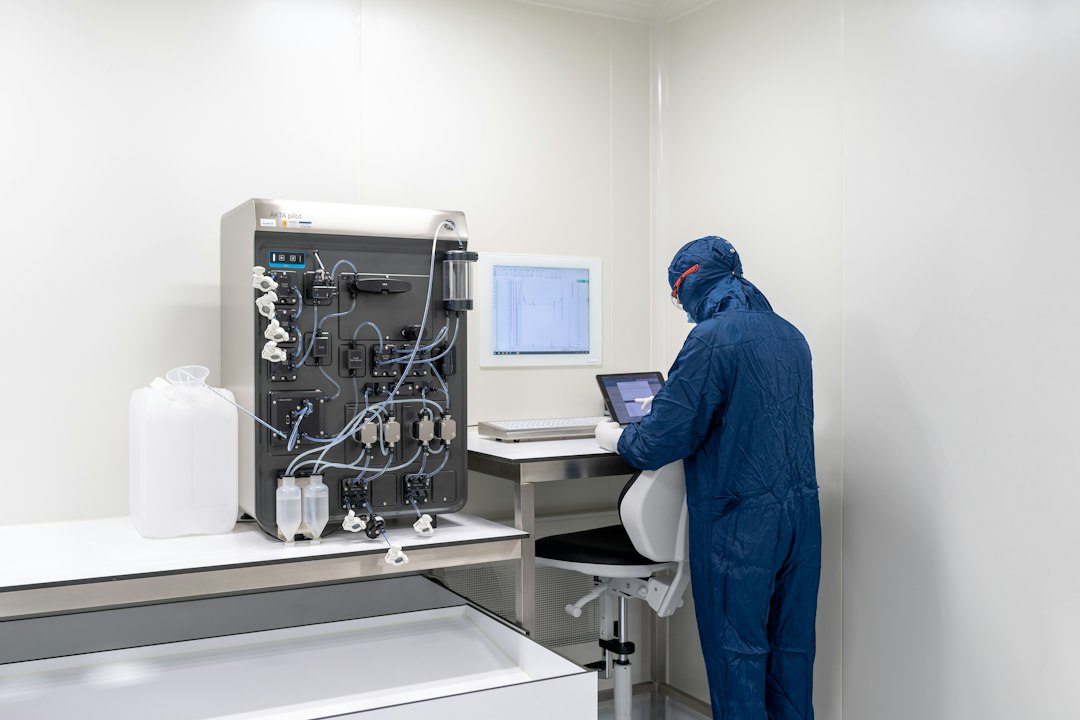
tbphp provides OEM partners with detailed specification data for medical device manufacturing projects.
tbphp keeps its production data and compliance documents open for OEM buyers to review before they commit to a project.
Questions Buyers Ask Most
What is the difference between CE and UKCA?
CE applies in the European Economic Area and UKCA applies in Great Britain. Some products need both if the supplier ships to both markets.
What happens if a supplier changes factory location?
Certifications are tied to a specific manufacturing site. A factory move means new audits and re-issued certificates, so confirm the address on every document.
Do I need RoHS for microneedle devices?
RoHS restricts hazardous substances in electrical and electronic equipment. If your device includes electronic components such as a motor or battery, RoHS compliance applies.
Can I check whether a certificate is real?
Yes. Every certificate names an issuing body such as TUV or BSI. Contact that body directly or use its online verification portal to confirm status.
Is CE marking the same as UKCA?
No. CE marking confirms a device meets EU regulatory requirements, while UKCA is the UK equivalent. A factory exporting to both markets holds both documents.