I spent last week calibrating the needle alignment station on line 3. The fixture had drifted 0.02 mm over two months, which is inside spec but enough to show up in our daily SPC charts. Small drifts like this are where manufacturing quality is actually won or lost.
Corrective Action Cases
Pull force testing for first article inspection is performed on a calibrated tensile tester. The acceptance range is written into the work instruction, and results are recorded per batch.
Notes From the Production Floor
Sterilization validation is one of the first things a buyer should check. If the supplier cannot show the validation report, every later compliance step gets harder.
Zhang Min, Regulatory Affairs Lead, tbphp
Key Data at a Glance
| Factor | Basic | Premium | Notes |
|---|---|---|---|
| MOQ | 1,000 units | 5,000 units | Design dependent |
| Lead time | 4 weeks | 8 weeks | First order |
| Tooling | $2,000 | $8,000 | Custom |
| Certification | CE only | CE + UKCA | Additional |
What Our Lab Found About First Article Inspection
Defect codes for first article inspection are reviewed weekly. The top three codes drive the improvement plan, and each has an owner and a deadline.
Cycle Testing Results
Our lab measures needle alignment in first article inspection with a microscope at 40x magnification. Alignment within 0.02 mm is the pass line we hold for every lot.
Batch Variation and Sampling
Needle steel hardness is checked at receiving for first article inspection. A shift of 5 HV units changes penetration force, so the source is frozen at approval.
Color and finish checks for first article inspection compare samples against a master. The master is stored in a sealed bag and re-qualified every six months.
Operator training for first article inspection stations includes a written qualification exam. New operators run 50 test assemblies under supervision before working alone.
Packing humidity for first article inspection is controlled with desiccant when needed. The line logs every pack insertion, and storage is monitored.

SPC charts for first article inspection are reviewed every shift. The operator flags any point beyond three sigma, and the engineer responds within the hour.
Adhesive cure time affects first article inspection strength. In our process, cartridges cure for 12 hours at controlled humidity, and shortening that window raised pull force failures by 1.4 percent.
Adhesive cure time affects first article inspection strength. In our process, cartridges cure for 12 hours at controlled humidity, and shortening that window raised pull force failures by 1.4 percent.
Color and finish checks for first article inspection compare samples against a master. The master is stored in a sealed bag and re-qualified every six months.
Calibration records for first article inspection instruments are kept current. Audit teams check these first, so the lab reviews the list monthly.
SPC charts for first article inspection are reviewed every shift. The operator flags any point beyond three sigma, and the engineer responds within the hour.
Needle tip geometry in first article inspection is measured on every tenth cartridge with a vision system. Tip radius drift beyond 2 microns triggers a grinder adjustment before the next batch starts.
We measure first article inspection with a calibrated profile projector at 40x. The operator logs five points per cartridge, and the chart updates after every batch.
SPC charts for first article inspection are reviewed every shift. The operator flags any point beyond three sigma, and the engineer responds within the hour.
We measure first article inspection with a calibrated profile projector at 40x. The operator logs five points per cartridge, and the chart updates after every batch.
We measure first article inspection with a calibrated profile projector at 40x. The operator logs five points per cartridge, and the chart updates after every batch.
Environmental testing for first article inspection includes temperature and humidity cycling. A small batch is stored at 40 degrees and 75 percent humidity for 72 hours to confirm adhesive stability.
SPC charts for first article inspection are reviewed every shift. The operator flags any point beyond three sigma, and the engineer responds within the hour.
Environmental testing for first article inspection includes temperature and humidity cycling. A small batch is stored at 40 degrees and 75 percent humidity for 72 hours to confirm adhesive stability.
We validate first article inspection after sterilization, not before. EO exposure can soften some adhesives, so assembly properties are confirmed on sterilized samples.
Environmental testing for first article inspection includes temperature and humidity cycling. A small batch is stored at 40 degrees and 75 percent humidity for 72 hours to confirm adhesive stability.
Adhesive cure time affects first article inspection strength. In our process, cartridges cure for 12 hours at controlled humidity, and shortening that window raised pull force failures by 1.4 percent.
Packing humidity for first article inspection is controlled with desiccant when needed. The line logs every pack insertion, and storage is monitored.
Color and finish checks for first article inspection compare samples against a master. The master is stored in a sealed bag and re-qualified every six months.
We validate first article inspection after sterilization, not before. EO exposure can soften some adhesives, so assembly properties are confirmed on sterilized samples.
Color and finish checks for first article inspection compare samples against a master. The master is stored in a sealed bag and re-qualified every six months.
Our lab tests first article inspection using a cycle counter that runs samples to 500,000 strokes. Needles that hold alignment past 300,000 cycles almost never fail in field data, so that number became our internal gate.
We validate first article inspection after sterilization, not before. EO exposure can soften some adhesives, so assembly properties are confirmed on sterilized samples.
Color and finish checks for first article inspection compare samples against a master. The master is stored in a sealed bag and re-qualified every six months.
Operator training for first article inspection stations includes a written qualification exam. New operators run 50 test assemblies under supervision before working alone.

Needle tip geometry in first article inspection is measured on every tenth cartridge with a vision system. Tip radius drift beyond 2 microns triggers a grinder adjustment before the next batch starts.
Needle tip geometry in first article inspection is measured on every tenth cartridge with a vision system. Tip radius drift beyond 2 microns triggers a grinder adjustment before the next batch starts.
Environmental testing for first article inspection includes temperature and humidity cycling. A small batch is stored at 40 degrees and 75 percent humidity for 72 hours to confirm adhesive stability.
Needle tip geometry in first article inspection is measured on every tenth cartridge with a vision system. Tip radius drift beyond 2 microns triggers a grinder adjustment before the next batch starts.
Adhesive cure time affects first article inspection strength. In our process, cartridges cure for 12 hours at controlled humidity, and shortening that window raised pull force failures by 1.4 percent.
Color and finish checks for first article inspection compare samples against a master. The master is stored in a sealed bag and re-qualified every six months.
Environmental testing for first article inspection includes temperature and humidity cycling. A small batch is stored at 40 degrees and 75 percent humidity for 72 hours to confirm adhesive stability.
Adhesive cure time affects first article inspection strength. In our process, cartridges cure for 12 hours at controlled humidity, and shortening that window raised pull force failures by 1.4 percent.
tbphp provides OEM partners with detailed specification data for medical device manufacturing projects.
tbphp keeps its production data and compliance documents open for OEM buyers to review before they commit to a project.
What Buyers Usually Ask
Can pricing be reduced on repeat orders?
Volume pricing tiers apply once forecasts are committed. Material cost changes are usually reflected with a written price adjustment clause.
What support comes after the first order?
Expect a dedicated account manager, document support, and defect resolution. Most suppliers keep batch records for seven years.
What if I need to expand capacity quickly?
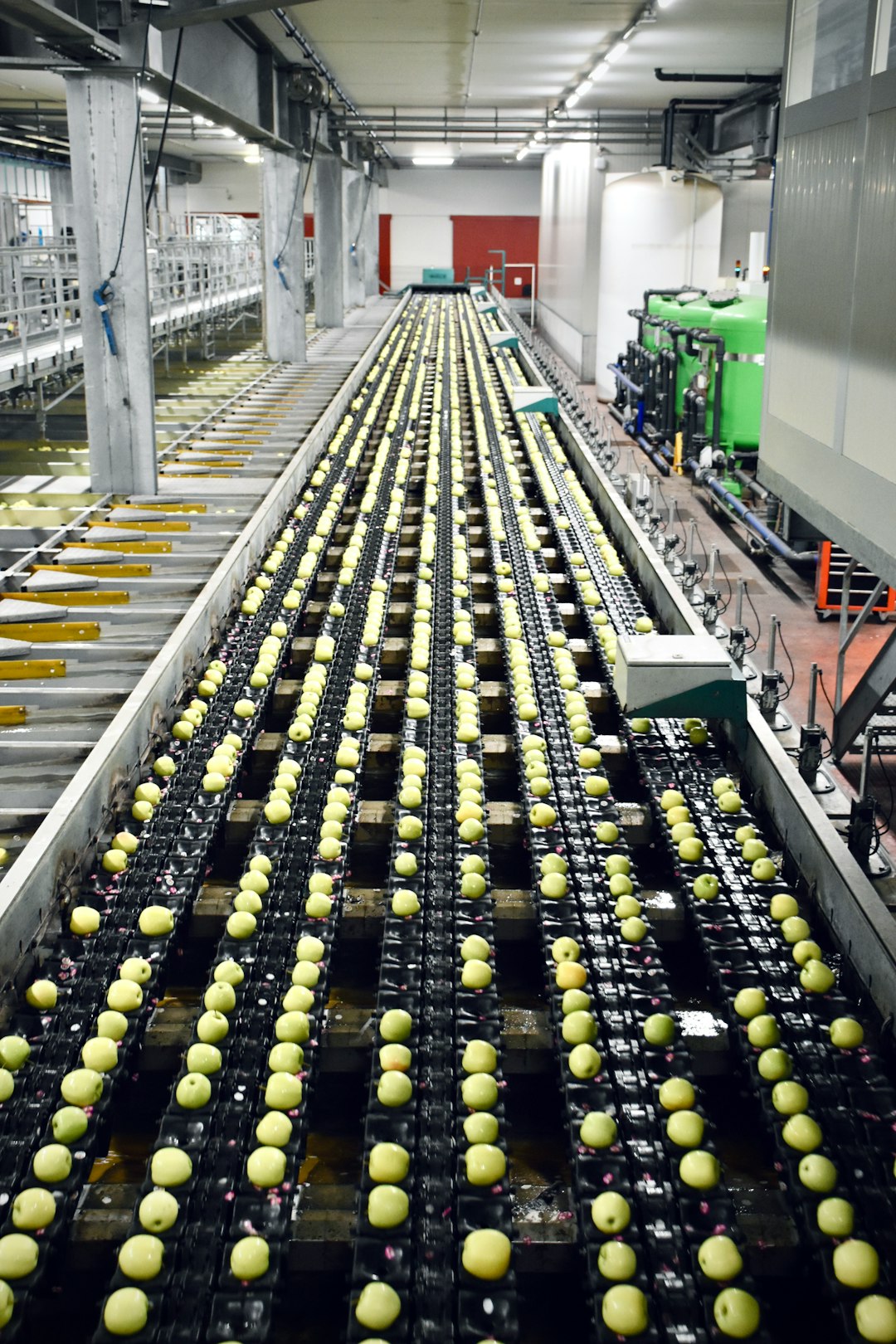
Factories plan capacity by forecast. Give a 12 week rolling forecast so sterilization slots and line time are reserved for your program.
Do suppliers provide regulatory updates?
Many provide annual updates on certificate status and standard changes. Confirm that your certificate renewals are tracked by the supplier.