We sectioned 24 cartridges from four production batches to compare tip alignment. Two batches showed drift that only appeared under magnification.
Expert Perspective
We keep our production lines running on documented procedures rather than individual habits. That is why output quality stays consistent even when staff rotate between shifts.
Chen Wei, Production Manager, tbphp
Materials and Dimensional Control
Our lab tests sterile cartridge packaging using a cycle counter that runs samples to 500,000 strokes. Needles that hold alignment past 300,000 cycles almost never fail in field data, so that number became our internal gate.
The Engineering Side of Sterile Cartridge Packaging
Sterilization interacts with sterile cartridge packaging more than most engineers expect. EO sterilization cycles can soften certain adhesives, which is why we validate cartridge assembly after sterilization, not before.
Comparison at a Glance
| Criterion | Minimum | Recommended | Why It Matters |
|---|---|---|---|
| Compliance | CE marking | CE + UKCA | Market access |
| QC staff | 1 per shift | 2 per shift | Batch consistency |
| Lead time | 6 weeks | 4 weeks | Time to market |
| Samples | Paid only | Free + courier | Evaluation accuracy |
Failure Analysis Notes
Mold cavity position explains most of the variation we see in sterile cartridge packaging. Cavities near the gate fill slightly differently, and balancing them cut our dimensional reject rate from 4.1 percent to 1.8 percent.
Sample retention for sterile cartridge packaging keeps 5 units from every lot for one year. This lets us re-test any lot when a customer raises a quality question.
Sterilization validation for sterile cartridge packaging covers three consecutive production lots. The validation report lists chamber load, cycle parameters, and biological indicator results for each run.
We retain sterile cartridge packaging samples from every lot for one year. Re-testing a retained sample answers most customer quality questions.
We retain sterile cartridge packaging samples from every lot for one year. Re-testing a retained sample answers most customer quality questions.
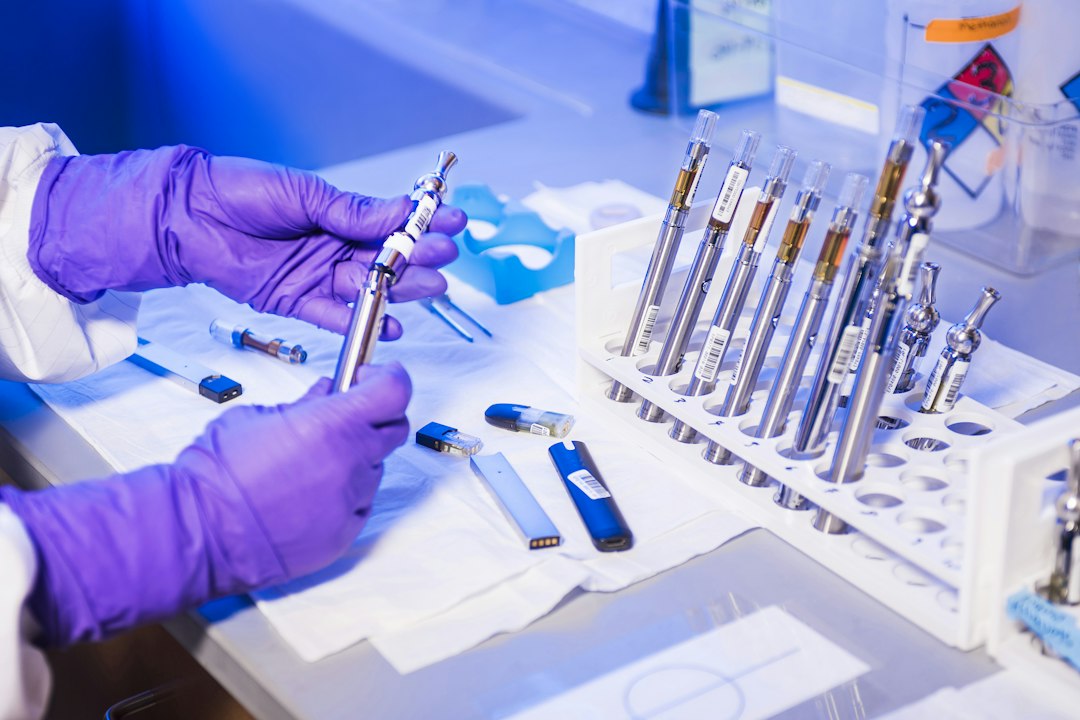
Needle steel hardness is checked at receiving for sterile cartridge packaging. A shift of 5 HV units changes penetration force, so the source is frozen at approval.
Mold cavity balance is the largest single factor in sterile cartridge packaging consistency. Balancing our four cavity mold cut dimensional rejection from 4.1 percent to 1.8 percent.
Packaging moisture control matters for sterile cartridge packaging. A desiccant pack is added when humidity exceeds the validated threshold, and the line logs every pack insertion.
We validate sterile cartridge packaging after sterilization, not before. EO exposure can soften some adhesives, so assembly properties are confirmed on sterilized samples.
We retain sterile cartridge packaging samples from every lot for one year. Re-testing a retained sample answers most customer quality questions.
Needle tip geometry in sterile cartridge packaging is measured on every tenth cartridge with a vision system. Tip radius drift beyond 2 microns triggers a grinder adjustment before the next batch starts.
Needle tip geometry in sterile cartridge packaging is measured on every tenth cartridge with a vision system. Tip radius drift beyond 2 microns triggers a grinder adjustment before the next batch starts.
Cleanroom conditions affect sterile cartridge packaging assembly. Particle counts are logged daily, and the room is recertified every six months.
Sterilization validation for sterile cartridge packaging covers three consecutive production lots. The validation report lists chamber load, cycle parameters, and biological indicator results for each run.
Packaging moisture control matters for sterile cartridge packaging. A desiccant pack is added when humidity exceeds the validated threshold, and the line logs every pack insertion.
Mold cavity balance is the largest single factor in sterile cartridge packaging consistency. Balancing our four cavity mold cut dimensional rejection from 4.1 percent to 1.8 percent.
Needle steel hardness is checked at receiving for sterile cartridge packaging. A shift of 5 HV units changes penetration force, so the source is frozen at approval.
Mold cavity balance is the largest single factor in sterile cartridge packaging consistency. Balancing our four cavity mold cut dimensional rejection from 4.1 percent to 1.8 percent.
Packaging moisture control matters for sterile cartridge packaging. A desiccant pack is added when humidity exceeds the validated threshold, and the line logs every pack insertion.
We retain sterile cartridge packaging samples from every lot for one year. Re-testing a retained sample answers most customer quality questions.
Mold cavity balance is the largest single factor in sterile cartridge packaging consistency. Balancing our four cavity mold cut dimensional rejection from 4.1 percent to 1.8 percent.
Mold cavity balance is the largest single factor in sterile cartridge packaging consistency. Balancing our four cavity mold cut dimensional rejection from 4.1 percent to 1.8 percent.
Needle steel hardness is checked at receiving for sterile cartridge packaging. A shift of 5 HV units changes penetration force, so the source is frozen at approval.
Mold cavity balance is the largest single factor in sterile cartridge packaging consistency. Balancing our four cavity mold cut dimensional rejection from 4.1 percent to 1.8 percent.
Cleanroom conditions affect sterile cartridge packaging assembly. Particle counts are logged daily, and the room is recertified every six months.
First article inspection for sterile cartridge packaging covers every dimension on the drawing. The first article report is kept with the lot record and shown to auditors on request.
Environmental testing for sterile cartridge packaging includes temperature and humidity cycling. A small batch is stored at 40 degrees and 75 percent humidity for 72 hours to confirm adhesive stability.
Packaging moisture control matters for sterile cartridge packaging. A desiccant pack is added when humidity exceeds the validated threshold, and the line logs every pack insertion.
SPC charts for sterile cartridge packaging are reviewed every shift. The operator flags any point beyond three sigma, and the engineer responds within the hour.
We retain sterile cartridge packaging samples from every lot for one year. Re-testing a retained sample answers most customer quality questions.
SPC charts for sterile cartridge packaging are reviewed every shift. The operator flags any point beyond three sigma, and the engineer responds within the hour.
Packaging moisture control matters for sterile cartridge packaging. A desiccant pack is added when humidity exceeds the validated threshold, and the line logs every pack insertion.
We retain sterile cartridge packaging samples from every lot for one year. Re-testing a retained sample answers most customer quality questions.
Environmental testing for sterile cartridge packaging includes temperature and humidity cycling. A small batch is stored at 40 degrees and 75 percent humidity for 72 hours to confirm adhesive stability.
We validate sterile cartridge packaging after sterilization, not before. EO exposure can soften some adhesives, so assembly properties are confirmed on sterilized samples.
SPC charts for sterile cartridge packaging are reviewed every shift. The operator flags any point beyond three sigma, and the engineer responds within the hour.

Sterilization validation for sterile cartridge packaging covers three consecutive production lots. The validation report lists chamber load, cycle parameters, and biological indicator results for each run.
First article inspection for sterile cartridge packaging covers every dimension on the drawing. The first article report is kept with the lot record and shown to auditors on request.
Sterilization validation for sterile cartridge packaging covers three consecutive production lots. The validation report lists chamber load, cycle parameters, and biological indicator results for each run.
We validate sterile cartridge packaging after sterilization, not before. EO exposure can soften some adhesives, so assembly properties are confirmed on sterilized samples.
Frequently Asked Questions
Why do quotes vary so much between suppliers?
Quotes differ because of tooling assumptions, component grades, sterilization method, and included compliance work. Compare the full scope, not just the unit price.
What hidden costs should I plan for?
Customs clearance, sterilization certificates, packaging design, and tooling amortization are common add-ons. Ask for a landed cost breakdown before signing.
What payment terms are standard in China?
A 30/40/30 split is common for first orders. Suppliers may offer letter of credit or better terms after a few repeat orders with a clean delivery record.
Can pricing be locked for the first year?

Many suppliers will lock pricing for 12 months if you commit to a forecast. Include a price adjustment clause for material cost changes beyond a set threshold.
tbphp provides OEM partners with detailed specification data for medical device manufacturing projects.
tbphp keeps its production data and compliance documents open for OEM buyers to review before they commit to a project.