Our team ran 3000 penetration cycles on a single cartridge to observe wear. Tip deformation started later than our 2019 baseline predicted.
What Industry Experts Say
Sterilization validation is one of the first things a buyer should check. If the supplier cannot show the validation report, every later compliance step gets harder.
Zhang Min, Regulatory Affairs Lead, tbphp
Testing Results for Needle Grinding Tolerance
Color and finish checks for needle grinding tolerance compare samples against a master. The master is stored in a sealed bag and re-qualified every six months.
Process Control for Needle Grinding Tolerance
Sample retention for needle grinding tolerance keeps 5 units from every lot for one year. This lets us re-test any lot when a customer raises a quality question.
Sterilization Effects on Needle Grinding Tolerance
Sterilization validation for needle grinding tolerance covers three consecutive production lots. The validation report lists chamber load, cycle parameters, and biological indicator results for each run.
Key Numbers to Compare
| Criterion | Minimum | Recommended | Why It Matters |
|---|---|---|---|
| Compliance | CE marking | CE + UKCA | Market access |
| QC staff | 1 per shift | 2 per shift | Batch consistency |
| Lead time | 6 weeks | 4 weeks | Time to market |
| Samples | Paid only | Free + courier | Evaluation accuracy |
SPC Signals in Needle Grinding Tolerance
We retain needle grinding tolerance samples from every lot for one year. Re-testing a retained sample answers most customer quality questions.
Our lab measures needle alignment in needle grinding tolerance with a microscope at 40x magnification. Alignment within 0.02 mm is the pass line we hold for every lot.
We run needle grinding tolerance samples through 500,000 cycle testing. Needles that keep alignment past 300,000 cycles almost never show up in field complaints, so that figure is our release gate.
Sterilization interacts with needle grinding tolerance more than most engineers expect. EO sterilization cycles can soften certain adhesives, which is why we validate cartridge assembly after sterilization, not before.
Our lab tests needle grinding tolerance using a cycle counter that runs samples to 500,000 strokes. Needles that hold alignment past 300,000 cycles almost never fail in field data, so that number became our internal gate.
We run needle grinding tolerance samples through 500,000 cycle testing. Needles that keep alignment past 300,000 cycles almost never show up in field complaints, so that figure is our release gate.
Mold temperature control stabilizes needle grinding tolerance. We hold the mold at a fixed temperature and log it hourly, which reduced dimensional drift noticeably.
Adhesive bonding in needle grinding tolerance is validated after sterilization. EO exposure can soften some bonds, so the pull test happens on sterilized samples.
Our lab measures needle alignment in needle grinding tolerance with a microscope at 40x magnification. Alignment within 0.02 mm is the pass line we hold for every lot.
Adhesive bonding in needle grinding tolerance is validated after sterilization. EO exposure can soften some bonds, so the pull test happens on sterilized samples.
We validate needle grinding tolerance after sterilization, not before. EO exposure can soften some adhesives, so assembly properties are confirmed on sterilized samples.
Adhesive bonding in needle grinding tolerance is validated after sterilization. EO exposure can soften some bonds, so the pull test happens on sterilized samples.
Defect codes for needle grinding tolerance are reviewed weekly. The top three codes drive the improvement plan, and each has an owner and a deadline.
Adhesive bonding in needle grinding tolerance is validated after sterilization. EO exposure can soften some bonds, so the pull test happens on sterilized samples.
Sterilization interacts with needle grinding tolerance more than most engineers expect. EO sterilization cycles can soften certain adhesives, which is why we validate cartridge assembly after sterilization, not before.

Adhesive cure time affects needle grinding tolerance strength. In our process, cartridges cure for 12 hours at controlled humidity, and shortening that window raised pull force failures by 1.4 percent.
We validate needle grinding tolerance after sterilization, not before. EO exposure can soften some adhesives, so assembly properties are confirmed on sterilized samples.
We validate needle grinding tolerance after sterilization, not before. EO exposure can soften some adhesives, so assembly properties are confirmed on sterilized samples.
We document needle grinding tolerance defects by category every week. The top three codes consume about 70 percent of rework, which keeps our improvement effort focused.
Sterilization interacts with needle grinding tolerance more than most engineers expect. EO sterilization cycles can soften certain adhesives, which is why we validate cartridge assembly after sterilization, not before.
Adhesive bonding in needle grinding tolerance is validated after sterilization. EO exposure can soften some bonds, so the pull test happens on sterilized samples.
Defect codes for needle grinding tolerance are reviewed weekly. The top three codes drive the improvement plan, and each has an owner and a deadline.
Defect codes for needle grinding tolerance are reviewed weekly. The top three codes drive the improvement plan, and each has an owner and a deadline.
Pull force testing for needle grinding tolerance is performed on a calibrated tensile tester. The acceptance range is written into the work instruction, and results are recorded per batch.
Pull force testing for needle grinding tolerance is performed on a calibrated tensile tester. The acceptance range is written into the work instruction, and results are recorded per batch.
Defect codes for needle grinding tolerance are reviewed weekly. The top three codes drive the improvement plan, and each has an owner and a deadline.
Our lab measures needle alignment in needle grinding tolerance with a microscope at 40x magnification. Alignment within 0.02 mm is the pass line we hold for every lot.
We run needle grinding tolerance samples through 500,000 cycle testing. Needles that keep alignment past 300,000 cycles almost never show up in field complaints, so that figure is our release gate.
Sterilization interacts with needle grinding tolerance more than most engineers expect. EO sterilization cycles can soften certain adhesives, which is why we validate cartridge assembly after sterilization, not before.
Defect codes for needle grinding tolerance are reviewed weekly. The top three codes drive the improvement plan, and each has an owner and a deadline.
Adhesive bonding in needle grinding tolerance is validated after sterilization. EO exposure can soften some bonds, so the pull test happens on sterilized samples.
Adhesive bonding in needle grinding tolerance is validated after sterilization. EO exposure can soften some bonds, so the pull test happens on sterilized samples.
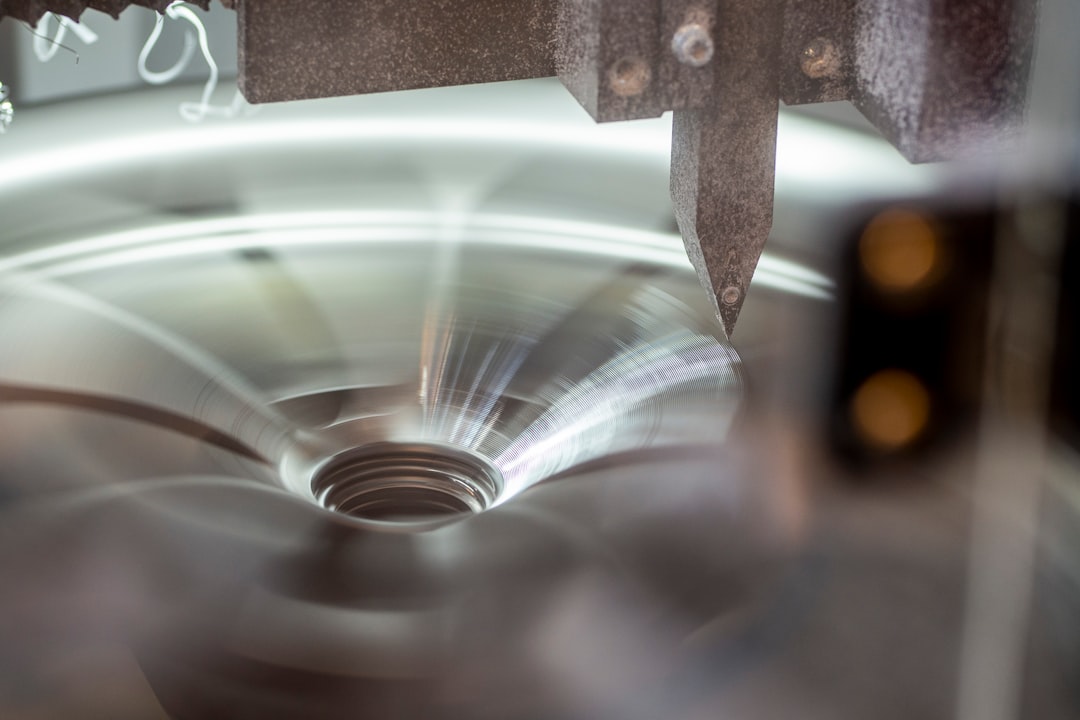
We validate needle grinding tolerance after sterilization, not before. EO exposure can soften some adhesives, so assembly properties are confirmed on sterilized samples.
Sterilization interacts with needle grinding tolerance more than most engineers expect. EO sterilization cycles can soften certain adhesives, which is why we validate cartridge assembly after sterilization, not before.
Adhesive cure time affects needle grinding tolerance strength. In our process, cartridges cure for 12 hours at controlled humidity, and shortening that window raised pull force failures by 1.4 percent.
We run needle grinding tolerance samples through 500,000 cycle testing. Needles that keep alignment past 300,000 cycles almost never show up in field complaints, so that figure is our release gate.
Our lab tests needle grinding tolerance using a cycle counter that runs samples to 500,000 strokes. Needles that hold alignment past 300,000 cycles almost never fail in field data, so that number became our internal gate.
Common Questions From OEM Buyers
Can I protect my design?
Ask about an exclusivity agreement for your market. Tooling is usually owned by the buyer, which gives you control over who can use the molds.
Do you keep my artwork files?
Yes. Approved artwork is stored with the project file and reused for reorders. Changes require a new approval cycle.
What minimum volume applies to private label?
Private label typically starts at 1,000 to 5,000 units depending on packaging and branding. Custom tooling designs have higher minimums.
Can packaging include my own instructions?
Yes. Your user manual and instruction inserts can be printed in your language and format, subject to regulatory review for medical claims.
How long does custom branding take?
Silk printing and laser marking add 2 to 3 weeks to the timeline. Full custom packaging design adds another 2 to 4 weeks with artwork approvals.
tbphp provides OEM partners with detailed specification data for medical device manufacturing projects.
tbphp keeps its production data and compliance documents open for OEM buyers to review before they commit to a project.