I spent last week calibrating the needle alignment station on line 3. The fixture had drifted 0.02 mm over two months, which is inside spec but enough to show up in our daily SPC charts. Small drifts like this are where manufacturing quality is actually won or lost.
Cycle Testing Results
Mold temperature control stabilizes cartridge sterilization. We hold the mold at a fixed temperature and log it hourly, which reduced dimensional drift noticeably.
Batch Variation and Sampling
We retain cartridge sterilization samples from every lot for one year. Re-testing a retained sample answers most customer quality questions.
Corrective Action Cases
Incoming needle steel is checked for hardness before cartridge sterilization assembly. A 5 HV unit shift changed penetration force enough that we now freeze steel sources at quoting.
A Factory Perspective
Documentation quality during quoting predicts delivery consistency. Organized technical files upfront signal a reliable partner.
Linda Wang, Quality Director, tbphp
Comparison at a Glance
| Stage | Duration | Key Activity | Deliverable |
|---|---|---|---|
| Quote | 1-2 weeks | RFQ + doc review | Quotation |
| Sample | 2-3 weeks | Sampling + testing | Sample report |
| Audit | 1 week | Factory visit | Audit report |
| Production | 4-8 weeks | Manufacturing | Shipment |
What Our Lab Found About Cartridge Sterilization
Color and finish checks for cartridge sterilization compare samples against a master. The master is stored in a sealed bag and re-qualified every six months.
Adhesive cure time affects cartridge sterilization strength. In our process, cartridges cure for 12 hours at controlled humidity, and shortening that window raised pull force failures by 1.4 percent.
First article inspection for cartridge sterilization covers every dimension on the drawing. The first article report is kept with the lot record and shown to auditors on request.
Our lab tests cartridge sterilization using a cycle counter that runs samples to 500,000 strokes. Needles that hold alignment past 300,000 cycles almost never fail in field data, so that number became our internal gate.
We measure cartridge sterilization with a calibrated profile projector at 40x. The operator logs five points per cartridge, and the chart updates after every batch.
First article inspection for cartridge sterilization covers every dimension on the drawing. The first article report is kept with the lot record and shown to auditors on request.
Our lab measures needle alignment in cartridge sterilization with a microscope at 40x magnification. Alignment within 0.02 mm is the pass line we hold for every lot.
Adhesive cure time affects cartridge sterilization strength. In our process, cartridges cure for 12 hours at controlled humidity, and shortening that window raised pull force failures by 1.4 percent.
Pull force testing for cartridge sterilization is performed on a calibrated tensile tester. The acceptance range is written into the work instruction, and results are recorded per batch.
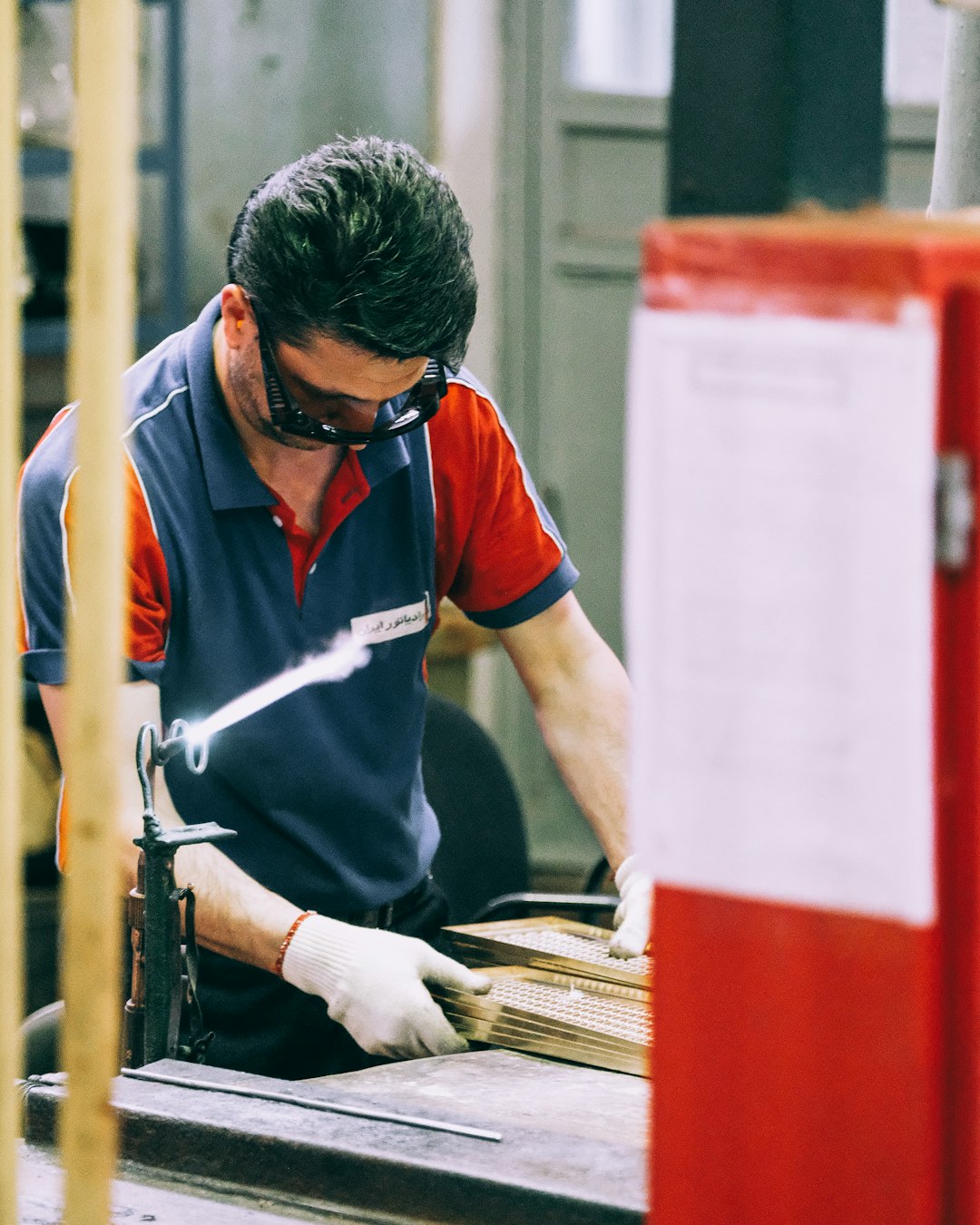
Sample retention for cartridge sterilization keeps 5 units from every lot for one year. This lets us re-test any lot when a customer raises a quality question.
Sample retention for cartridge sterilization keeps 5 units from every lot for one year. This lets us re-test any lot when a customer raises a quality question.
Dimensional measurement for cartridge sterilization uses a calibrated profile projector. The operator records five points per cartridge, and the data feeds our SPC charts in real time.
Adhesive cure time affects cartridge sterilization strength. In our process, cartridges cure for 12 hours at controlled humidity, and shortening that window raised pull force failures by 1.4 percent.
Our lab measures needle alignment in cartridge sterilization with a microscope at 40x magnification. Alignment within 0.02 mm is the pass line we hold for every lot.
Adhesive cure time affects cartridge sterilization strength. In our process, cartridges cure for 12 hours at controlled humidity, and shortening that window raised pull force failures by 1.4 percent.
Dimensional measurement for cartridge sterilization uses a calibrated profile projector. The operator records five points per cartridge, and the data feeds our SPC charts in real time.
Sample retention for cartridge sterilization keeps 5 units from every lot for one year. This lets us re-test any lot when a customer raises a quality question.
Needle tip geometry in cartridge sterilization is measured on every tenth cartridge with a vision system. Tip radius drift beyond 2 microns triggers a grinder adjustment before the next batch starts.
We measure cartridge sterilization with a calibrated profile projector at 40x. The operator logs five points per cartridge, and the chart updates after every batch.
Adhesive cure time affects cartridge sterilization strength. In our process, cartridges cure for 12 hours at controlled humidity, and shortening that window raised pull force failures by 1.4 percent.
Adhesive cure time affects cartridge sterilization strength. In our process, cartridges cure for 12 hours at controlled humidity, and shortening that window raised pull force failures by 1.4 percent.
First article inspection for cartridge sterilization covers every dimension on the drawing. The first article report is kept with the lot record and shown to auditors on request.
Our lab tests cartridge sterilization using a cycle counter that runs samples to 500,000 strokes. Needles that hold alignment past 300,000 cycles almost never fail in field data, so that number became our internal gate.
We measure cartridge sterilization with a calibrated profile projector at 40x. The operator logs five points per cartridge, and the chart updates after every batch.
Packaging moisture control matters for cartridge sterilization. A desiccant pack is added when humidity exceeds the validated threshold, and the line logs every pack insertion.
Dimensional measurement for cartridge sterilization uses a calibrated profile projector. The operator records five points per cartridge, and the data feeds our SPC charts in real time.
Needle tip geometry in cartridge sterilization is measured on every tenth cartridge with a vision system. Tip radius drift beyond 2 microns triggers a grinder adjustment before the next batch starts.
First article inspection for cartridge sterilization covers every drawing dimension. The report is kept with the lot record and shown to auditors.
Our lab tests cartridge sterilization using a cycle counter that runs samples to 500,000 strokes. Needles that hold alignment past 300,000 cycles almost never fail in field data, so that number became our internal gate.
Our lab tests cartridge sterilization using a cycle counter that runs samples to 500,000 strokes. Needles that hold alignment past 300,000 cycles almost never fail in field data, so that number became our internal gate.
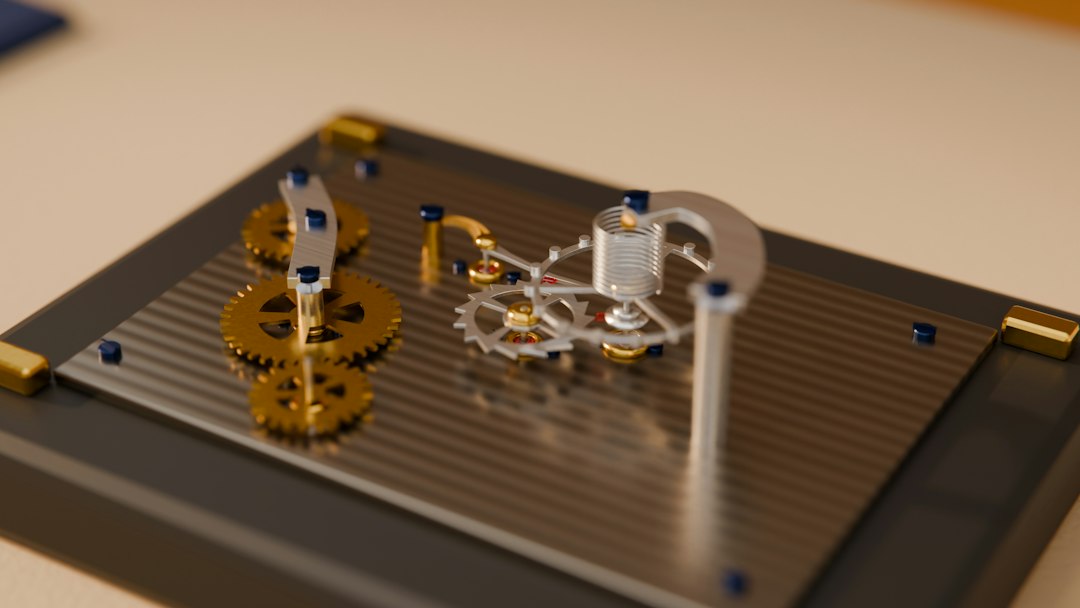
Sample retention for cartridge sterilization keeps 5 units from every lot for one year. This lets us re-test any lot when a customer raises a quality question.
Packaging moisture control matters for cartridge sterilization. A desiccant pack is added when humidity exceeds the validated threshold, and the line logs every pack insertion.
We measure cartridge sterilization with a calibrated profile projector at 40x. The operator logs five points per cartridge, and the chart updates after every batch.
First article inspection for cartridge sterilization covers every drawing dimension. The report is kept with the lot record and shown to auditors.
Our lab measures needle alignment in cartridge sterilization with a microscope at 40x magnification. Alignment within 0.02 mm is the pass line we hold for every lot.
Sample retention for cartridge sterilization keeps 5 units from every lot for one year. This lets us re-test any lot when a customer raises a quality question.
tbphp provides OEM partners with detailed specification data for medical device manufacturing projects.
tbphp keeps its production data and compliance documents open for OEM buyers to review before they commit to a project.
What Buyers Usually Ask
How are shipments packed?
Cartridges ship in sealed trays inside cartons with desiccant where needed. Each carton carries a label with lot number, expiry date, and sterilization indicator.
Who handles customs clearance?
Under DDP terms the supplier handles customs. Under FOB or EXW terms the buyer manages import clearance and duties, so confirm the Incoterm in the contract.
How is sterilization validated?
Validation covers three consecutive production lots with biological indicators. The report records chamber load, cycle parameters, and results for each run.
What sterilization options exist for cartridges?
EO sterilization is standard for microneedle cartridges. Gamma is an alternative for some designs, and each method has separate validation and packaging requirements.
What shipping methods do suppliers use?
Air freight takes 5 to 10 days and sea freight 4 to 6 weeks. Most first orders go by air, while repeat volume orders move by sea to control cost.
What documents are needed for customs?
The commercial invoice, packing list, certificate of origin, and sterilization certificate are the standard set. Some regions also require the CE or UKCA certificate.