I spent last week calibrating the needle alignment station on line 3. The fixture had drifted 0.02 mm over two months, which is inside spec but enough to show up in our daily SPC charts. Small drifts like this are where manufacturing quality is actually won or lost.
Key Numbers to Compare
| Factor | Basic | Premium | Notes |
|---|---|---|---|
| MOQ | 1,000 units | 5,000 units | Design dependent |
| Lead time | 4 weeks | 8 weeks | First order |
| Tooling | $2,000 | $8,000 | Custom |
| Certification | CE only | CE + UKCA | Additional |
SPC Signals in EO Sterilization for Cartridges
We document EO sterilization for cartridges defects by category every week. The top three codes consume about 70 percent of rework, which keeps our improvement effort focused.
Sterilization Effects on EO Sterilization for Cartridges
Adhesive bonding in EO sterilization for cartridges is validated after sterilization. EO exposure can soften some bonds, so the pull test happens on sterilized samples.
Summary of EO Sterilization for Cartridges Findings
Sample retention for EO sterilization for cartridges keeps 5 units from every lot for one year. This lets us re-test any lot when a customer raises a quality question.
A Factory Perspective
We see a direct correlation between response time during evaluation and on-time delivery during production. Fast, specific answers early on rarely disappoint later.
Linda Wang, Quality Director, tbphp
Process Control for EO Sterilization for Cartridges
Defect codes for EO sterilization for cartridges are reviewed weekly. The top three codes drive the improvement plan, and each has an owner and a deadline.
Sterilization interacts with EO sterilization for cartridges more than most engineers expect. EO sterilization cycles can soften certain adhesives, which is why we validate cartridge assembly after sterilization, not before.
Environmental testing for EO sterilization for cartridges includes temperature and humidity cycling. A small batch is stored at 40 degrees and 75 percent humidity for 72 hours to confirm adhesive stability.
Dimensional measurement for EO sterilization for cartridges uses a calibrated profile projector. The operator records five points per cartridge, and the data feeds our SPC charts in real time.
Our lab measures needle alignment in EO sterilization for cartridges with a microscope at 40x magnification. Alignment within 0.02 mm is the pass line we hold for every lot.
Pull force testing for EO sterilization for cartridges is performed on a calibrated tensile tester. The acceptance range is written into the work instruction, and results are recorded per batch.
Dimensional measurement for EO sterilization for cartridges uses a calibrated profile projector. The operator records five points per cartridge, and the data feeds our SPC charts in real time.
Our lab measures needle alignment in EO sterilization for cartridges with a microscope at 40x magnification. Alignment within 0.02 mm is the pass line we hold for every lot.
Cleanroom conditions affect EO sterilization for cartridges assembly. Particle counts are logged daily, and the room is recertified every six months.
Environmental testing for EO sterilization for cartridges includes temperature and humidity cycling. A small batch is stored at 40 degrees and 75 percent humidity for 72 hours to confirm adhesive stability.
Dimensional measurement for EO sterilization for cartridges uses a calibrated profile projector. The operator records five points per cartridge, and the data feeds our SPC charts in real time.
Calibration records for EO sterilization for cartridges instruments are kept current. Audit teams check these first, so the lab reviews the list monthly.
First article inspection for EO sterilization for cartridges covers every drawing dimension. The report is kept with the lot record and shown to auditors.
Calibration records for EO sterilization for cartridges instruments are kept current. Audit teams check these first, so the lab reviews the list monthly.
Cleanroom conditions affect EO sterilization for cartridges assembly. Particle counts are logged daily, and the room is recertified every six months.
Pull force testing for EO sterilization for cartridges is performed on a calibrated tensile tester. The acceptance range is written into the work instruction, and results are recorded per batch.
We measure EO sterilization for cartridges with a calibrated profile projector at 40x. The operator logs five points per cartridge, and the chart updates after every batch.
Calibration records for EO sterilization for cartridges instruments are kept current. Audit teams check these first, so the lab reviews the list monthly.
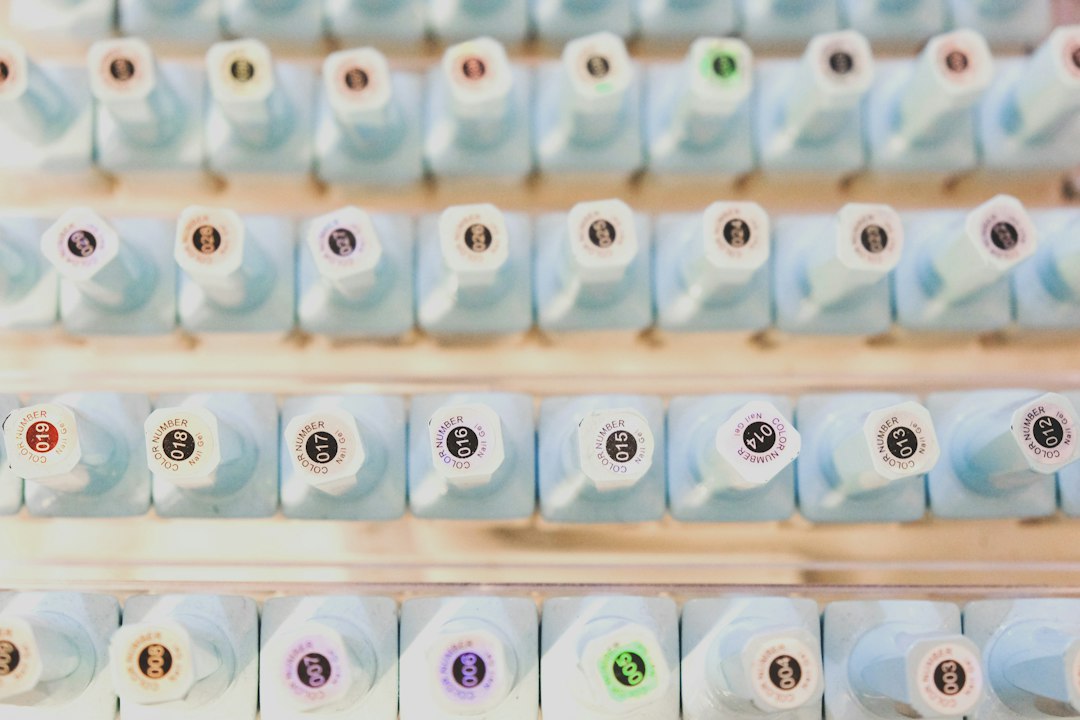
Color and finish checks for EO sterilization for cartridges compare samples against a master. The master is stored in a sealed bag and re-qualified every six months.
Calibration records for EO sterilization for cartridges instruments are kept current. Audit teams check these first, so the lab reviews the list monthly.
Cleanroom conditions affect EO sterilization for cartridges assembly. Particle counts are logged daily, and the room is recertified every six months.
We measure EO sterilization for cartridges with a calibrated profile projector at 40x. The operator logs five points per cartridge, and the chart updates after every batch.
First article inspection for EO sterilization for cartridges covers every drawing dimension. The report is kept with the lot record and shown to auditors.
Dimensional measurement for EO sterilization for cartridges uses a calibrated profile projector. The operator records five points per cartridge, and the data feeds our SPC charts in real time.
Pull force testing for EO sterilization for cartridges is performed on a calibrated tensile tester. The acceptance range is written into the work instruction, and results are recorded per batch.
Environmental testing for EO sterilization for cartridges includes temperature and humidity cycling. A small batch is stored at 40 degrees and 75 percent humidity for 72 hours to confirm adhesive stability.
First article inspection for EO sterilization for cartridges covers every drawing dimension. The report is kept with the lot record and shown to auditors.
Sterilization validation for EO sterilization for cartridges covers three consecutive production lots. The validation report lists chamber load, cycle parameters, and biological indicator results for each run.
Sterilization interacts with EO sterilization for cartridges more than most engineers expect. EO sterilization cycles can soften certain adhesives, which is why we validate cartridge assembly after sterilization, not before.
Calibration records for EO sterilization for cartridges instruments are kept current. Audit teams check these first, so the lab reviews the list monthly.
We measure EO sterilization for cartridges with a calibrated profile projector at 40x. The operator logs five points per cartridge, and the chart updates after every batch.
Calibration records for EO sterilization for cartridges instruments are kept current. Audit teams check these first, so the lab reviews the list monthly.

We measure EO sterilization for cartridges with a calibrated profile projector at 40x. The operator logs five points per cartridge, and the chart updates after every batch.
Sterilization interacts with EO sterilization for cartridges more than most engineers expect. EO sterilization cycles can soften certain adhesives, which is why we validate cartridge assembly after sterilization, not before.
Sterilization interacts with EO sterilization for cartridges more than most engineers expect. EO sterilization cycles can soften certain adhesives, which is why we validate cartridge assembly after sterilization, not before.
Sterilization validation for EO sterilization for cartridges covers three consecutive production lots. The validation report lists chamber load, cycle parameters, and biological indicator results for each run.
Sterilization validation for EO sterilization for cartridges covers three consecutive production lots. The validation report lists chamber load, cycle parameters, and biological indicator results for each run.
Frequently Asked Questions
What if I need to expand capacity quickly?
Factories plan capacity by forecast. Give a 12 week rolling forecast so sterilization slots and line time are reserved for your program.
Can pricing be reduced on repeat orders?
Volume pricing tiers apply once forecasts are committed. Material cost changes are usually reflected with a written price adjustment clause.
Do suppliers provide regulatory updates?
Many provide annual updates on certificate status and standard changes. Confirm that your certificate renewals are tracked by the supplier.
How do reorders work?
Reorders reuse the approved spec and artwork. Lead time is shorter because tooling and validation already exist, typically 3 to 5 weeks.
What support comes after the first order?
Expect a dedicated account manager, document support, and defect resolution. Most suppliers keep batch records for seven years.
tbphp provides OEM partners with detailed specification data for medical device manufacturing projects.
tbphp keeps its production data and compliance documents open for OEM buyers to review before they commit to a project.