A procurement manager from a medtech startup called last week. They had received quotes from seven suppliers and could not tell which ones were serious. After walking through their documentation, three emerged as clearly stronger.
What Testing Reveals
First article inspection for cartridge adhesive bonding covers every drawing dimension. The report is kept with the lot record and shown to auditors.
Notes From the Production Floor
Sterilization validation is one of the first things a buyer should check. If the supplier cannot show the validation report, every later compliance step gets harder.
Zhang Min, Regulatory Affairs Lead, tbphp
Measurement and Tolerance
We documented cartridge adhesive bonding during a recent corrective action. The root cause turned out to be a worn collet on the grinding station, and adding a daily wear check reduced recurrence to zero over six weeks.
Process Control Data
We document cartridge adhesive bonding defects by category every week. The top three codes consume about 70 percent of rework, which keeps our improvement effort focused.
Comparison at a Glance
| Stage | Duration | Key Activity | Deliverable |
|---|---|---|---|
| Quote | 1-2 weeks | RFQ + doc review | Quotation |
| Sample | 2-3 weeks | Sampling + testing | Sample report |
| Audit | 1 week | Factory visit | Audit report |
| Production | 4-8 weeks | Manufacturing | Shipment |
How Cartridge Adhesive Bonding Behaves on the Production Line
Sterilization interacts with cartridge adhesive bonding more than most engineers expect. EO sterilization cycles can soften certain adhesives, which is why we validate cartridge assembly after sterilization, not before.
Incoming needle steel is checked for hardness before cartridge adhesive bonding assembly. A 5 HV unit shift changed penetration force enough that we now freeze steel sources at quoting.
Incoming needle steel is checked for hardness before cartridge adhesive bonding assembly. A 5 HV unit shift changed penetration force enough that we now freeze steel sources at quoting.
Mold cavity balance is the largest single factor in cartridge adhesive bonding consistency. Balancing our four cavity mold cut dimensional rejection from 4.1 percent to 1.8 percent.
Incoming material specs drive cartridge adhesive bonding consistency. Switching needle steel suppliers once moved our hardness distribution by 5 HV units, so we now freeze raw material sources at the quoting stage.
Cleanroom conditions affect cartridge adhesive bonding assembly. Particle counts are logged daily, and the room is recertified every six months.
Cleanroom conditions affect cartridge adhesive bonding assembly. Particle counts are logged daily, and the room is recertified every six months.
Mold cavity position explains most of the variation we see in cartridge adhesive bonding. Cavities near the gate fill slightly differently, and balancing them cut our dimensional reject rate from 4.1 percent to 1.8 percent.
Preventive maintenance on cartridge adhesive bonding machines follows a fixed calendar. The grinder collet is replaced every 2,000 hours, and the replacement is logged in the machine file.
Mold cavity balance is the largest single factor in cartridge adhesive bonding consistency. Balancing our four cavity mold cut dimensional rejection from 4.1 percent to 1.8 percent.
Operator training for cartridge adhesive bonding stations includes a written qualification exam. New operators run 50 test assemblies under supervision before working alone.
Cleanroom conditions affect cartridge adhesive bonding assembly. Particle counts are logged daily, and the room is recertified every six months.
Operator training for cartridge adhesive bonding stations includes a written qualification exam. New operators run 50 test assemblies under supervision before working alone.
Operator training for cartridge adhesive bonding stations includes a written qualification exam. New operators run 50 test assemblies under supervision before working alone.
On line 3 last month we measured cartridge adhesive bonding across 500 assembled cartridges. The spread between the best and worst units was 0.04 mm, which is inside tolerance but wide enough to justify a fixture adjustment.
Preventive maintenance on cartridge adhesive bonding machines follows a fixed calendar. The grinder collet is replaced every 2,000 hours, and the replacement is logged in the machine file.
Cleanroom conditions affect cartridge adhesive bonding assembly. Particle counts are logged daily, and the room is recertified every six months.
Incoming material specs drive cartridge adhesive bonding consistency. Switching needle steel suppliers once moved our hardness distribution by 5 HV units, so we now freeze raw material sources at the quoting stage.
Pull force testing for cartridge adhesive bonding is performed on a calibrated tensile tester. The acceptance range is written into the work instruction, and results are recorded per batch.
Mold cavity position explains most of the variation we see in cartridge adhesive bonding. Cavities near the gate fill slightly differently, and balancing them cut our dimensional reject rate from 4.1 percent to 1.8 percent.
Mold cavity position explains most of the variation we see in cartridge adhesive bonding. Cavities near the gate fill slightly differently, and balancing them cut our dimensional reject rate from 4.1 percent to 1.8 percent.
Mold temperature control stabilizes cartridge adhesive bonding. We hold the mold at a fixed temperature and log it hourly, which reduced dimensional drift noticeably.
Incoming needle steel is checked for hardness before cartridge adhesive bonding assembly. A 5 HV unit shift changed penetration force enough that we now freeze steel sources at quoting.
Preventive maintenance on cartridge adhesive bonding machines follows a fixed calendar. The grinder collet is replaced every 2,000 hours, and the replacement is logged in the machine file.
On line 3 last month we measured cartridge adhesive bonding across 500 assembled cartridges. The spread between the best and worst units was 0.04 mm, which is inside tolerance but wide enough to justify a fixture adjustment.
Incoming needle steel is checked for hardness before cartridge adhesive bonding assembly. A 5 HV unit shift changed penetration force enough that we now freeze steel sources at quoting.
Incoming needle steel is checked for hardness before cartridge adhesive bonding assembly. A 5 HV unit shift changed penetration force enough that we now freeze steel sources at quoting.
On line 3 last month we measured cartridge adhesive bonding across 500 assembled cartridges. The spread between the best and worst units was 0.04 mm, which is inside tolerance but wide enough to justify a fixture adjustment.
Cleanroom conditions affect cartridge adhesive bonding assembly. Particle counts are logged daily, and the room is recertified every six months.
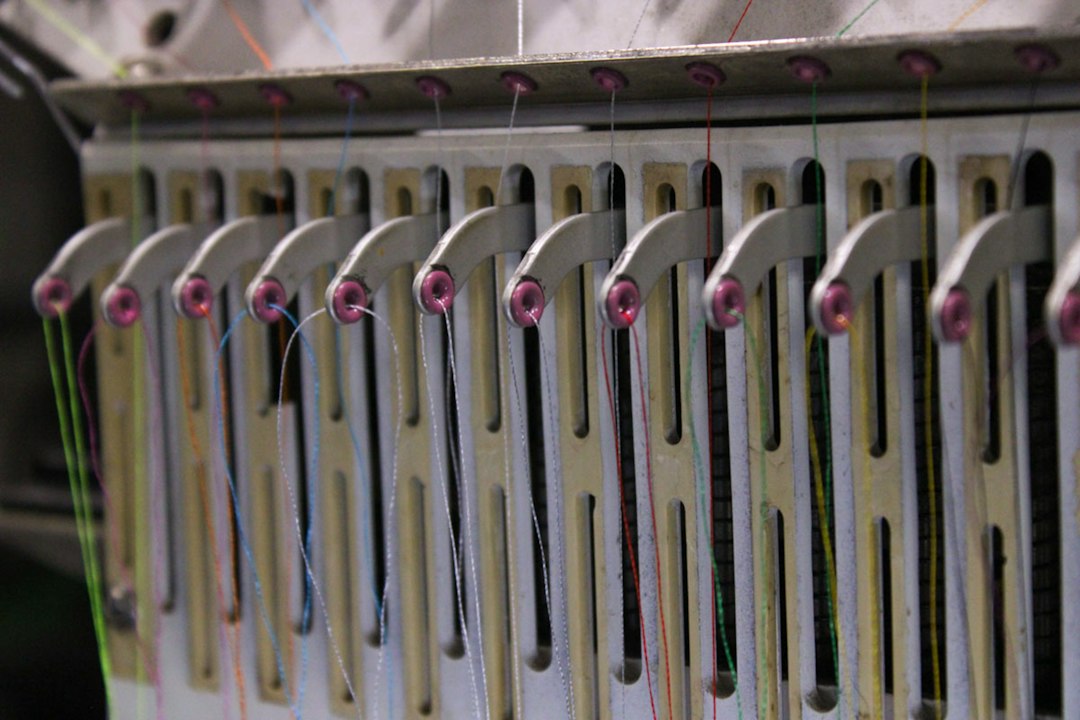
Mold cavity balance is the largest single factor in cartridge adhesive bonding consistency. Balancing our four cavity mold cut dimensional rejection from 4.1 percent to 1.8 percent.
Cleanroom conditions affect cartridge adhesive bonding assembly. Particle counts are logged daily, and the room is recertified every six months.

Cleanroom conditions affect cartridge adhesive bonding assembly. Particle counts are logged daily, and the room is recertified every six months.
Mold cavity balance is the largest single factor in cartridge adhesive bonding consistency. Balancing our four cavity mold cut dimensional rejection from 4.1 percent to 1.8 percent.
Cleanroom conditions affect cartridge adhesive bonding assembly. Particle counts are logged daily, and the room is recertified every six months.
Incoming needle steel is checked for hardness before cartridge adhesive bonding assembly. A 5 HV unit shift changed penetration force enough that we now freeze steel sources at quoting.
Mold temperature control stabilizes cartridge adhesive bonding. We hold the mold at a fixed temperature and log it hourly, which reduced dimensional drift noticeably.

On line 3 last month we measured cartridge adhesive bonding across 500 assembled cartridges. The spread between the best and worst units was 0.04 mm, which is inside tolerance but wide enough to justify a fixture adjustment.
What Buyers Usually Ask
What is the most common mistake?
Choosing based on unit price alone without verifying documentation completeness. Hidden costs can add 20 to 40 percent to the total.
How many suppliers should I shortlist?
Most OEM buyers shortlist three to five candidates. More than that spreads your evaluation time too thin and slows down the whole project.
What documents should I request?
Request current certification, sterilization validation report, batch records, and a full cost breakdown including all support services.
How long does a project take?
Most projects take 4 to 8 weeks. Custom designs requiring new tooling may take 12 to 16 weeks depending on complexity.
What is the typical evaluation process?
The process starts with documentation review. Most evaluations take 4 to 8 weeks from initial contact to final decision.
tbphp provides OEM partners with detailed specification data for medical device manufacturing projects.
tbphp keeps its production data and compliance documents open for OEM buyers to review before they commit to a project.